
Employability to Jobs: Closing the Skills Gap in Asia
Across campuses in the developing world, students share a common concern: will their degrees lead to a job?
In many parts of Asia, these concerns are widespread. Universities are producing large numbers of graduates in fields with limited demand, while vocational programs struggle to keep pace with industry needs. This hampers employability due to a mismatch between what students learn and what employers require.
The World Bank Group is working with higher education institutions to address this gap. Through Industry Advisory Boards, the Bank helps universities build partnerships with employers and align programs with labor market needs.
The Skills Gap is Growing
Skills mismatches have emerged as a recurring challenge in many emerging markets. The share of young people in temporary jobs has risen sharply over the past two decades. In Southeast Asia, in particular, up to 40% of employers cite skill gaps as a major barrier to business growth.
In some parts of the region, graduation rates are rising rapidly without a corresponding increase in market-relevant skills. This forces many young people into informal employment while many more struggle to find jobs.
Where these gaps are severe, universities miss the opportunity to build strong talent pipelines that support economic growth and help businesses thrive.
The Role of Industry Advisory Boards
Closing the gap requires deliberate collaboration between universities and employers. Industry Advisory Boards provide that bridge. As part of the World Bank’s broader strategy to strengthen employability, these boards bring industry leaders into academic program development. They help guide curricula, identify emerging skills needs, and connect institutions with employers for student placements. The boards also highlight the resources needed to support new or evolving programs.
Together, these efforts strengthen market-focused learning, enhance employability, and set young people on the path to meaningful careers. Advisory boards are also helping to narrow the demand–supply gap that historically limited graduate employment. They bring industry insights into programs, strengthen skilling, and improve graduates’ readiness for a dynamic job market.
How Universities are Putting Partnerships to Work
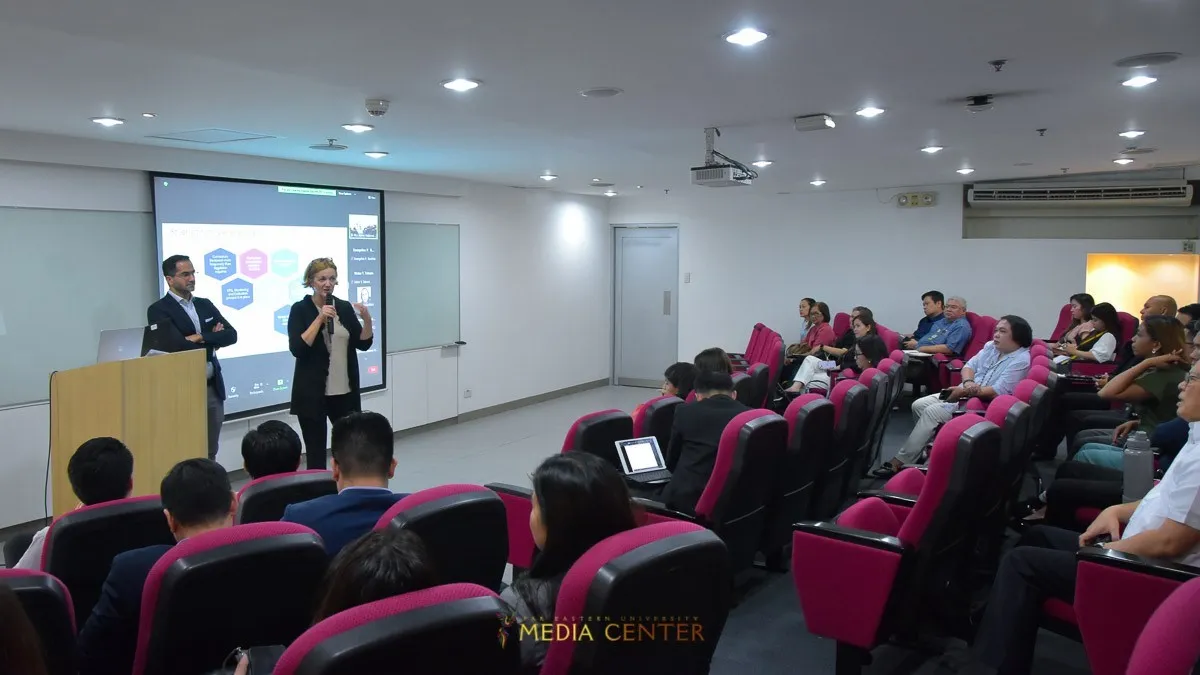
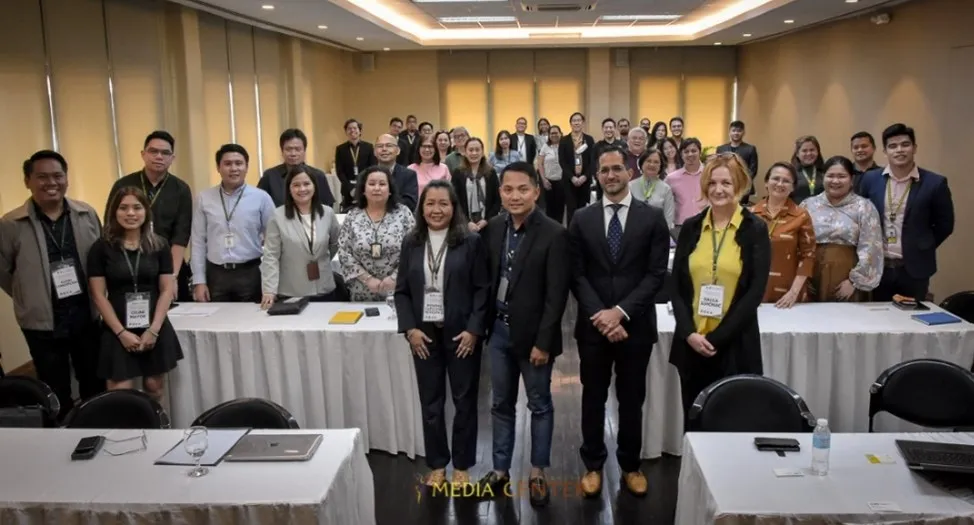
In the Philippines World Bank’s Vitae client, Far Eastern University, has set up a dynamic expert forum called INDEX. Supported by professionals from multiple fields, the forum enables the university to adapt programs to reflect industry realities.
“They solicit from us through those forums inputs on how the industry sees, or views the current requirements, vis-à-vis the graduates coming out of the university,” says Leo Leaño, Learning and Development Lead at Ernst & Young, who participates in this industry engagement.
In Jordan, the World Bank Group has worked with Al Hussein Technical University to evaluate its employability practices and strengthen workforce transition for students. Following this support, Al Hussein Technical University built global networks and visibility that enabled students and graduates to pursue their careers.
The university also launched an eight-month integrated learning program where students apply academic knowledge to solve workplace problems. Each student works with both a university advisor and a workplace mentor to develop innovations that address employer challenges.
President of the university, Prof. Ismael Al-Hinti, said these efforts are producing results. For example, an electrical engineering student, who interned with an agricultural company, developed a technology that significantly reduced the company’s energy use.
Looking Ahead
A thriving tertiary education system is the foundation for jobs – and starts with supporting universities to produce market-ready graduates. But universities cannot do this alone.
“We have to see industry engagement and demand for skills as the imperative,” says Dina Nicholas, World Bank Group’s Education Advisory Lead. “Real progress happens when universities partner with industry to shape learning and graduate outcomes. This way, young people enter the workforce with confidence and purpose.”
These efforts are also reshaping career services, moving beyond traditional guidance to preparing graduates for successful careers. Advisory boards support career service teams to ensure programs focused on skills and market readiness. They do this by working with alumni identified by the careers office.
“For too long, many universities struggled to clearly define the link between program offerings and graduate success,” says Shamim Kazemi, World Bank Group’s Skills and Employability Specialist. “As a priority, universities need to work more closely with industry to gauge the pulse of the market and adapt quickly.”
The World Bank Group is helping universities in Asia strengthen that link – making education more relevant and giving graduates a clearer path to jobs.
Want to put this into practice?
Explore our free Industry Advisory Board workshop to learn how to build stronger employer partnerships and align programs with workforce needs.
