
Advancing Graduate Employability in Morocco: Insights from a National Benchmarking Initiative
Bringing higher education stakeholders together to turn evidence and international insights into practical approaches for strengthening students’ transition to the labor market.
As labor markets evolve and expectations of graduates continue to change, higher education institutions have an increasingly important role in helping students develop the skills, experiences, and connections they need to successfully transition into employment.
In Morocco, the World Bank Group, in partnership with the Ministry of Higher Education, Scientific Research and Innovation (MESRSI), conducted a national employability benchmarking exercise across 8 public universities representing more than 611,000 undergraduate students.
The initiative provided an updated diagnostic of how universities are preparing students for the labor market, combining insights into current institutional practices with international benchmarks and practical expertise. More importantly, it created a foundation for moving from identifying opportunities to strengthening university employability practices.
How the National Benchmarking Worked
The Morocco National Employability Benchmarking provided participating public universities with an opportunity to reflect on their practices, operations and procedures. The process combined an institutional self-assessment with in depth interviews with university representatives helping to validate the findings and provide additional context. The resulting insights helped identify strengths and opportunities for improvement, while national and international benchmarks provided a broader perspective to contextualize performance and inform future strategies.
In addition to the institutional self-assessment, participating universities had the option to disseminate Vitae’s student and alumni surveys to capture the perspectives and experiences of students and recent graduates:
From Assessment to National Dialogue
The benchmarking engagement progressed through several stages during 2026, moving from institutional assessment and validation to the discussion of findings and opportunities for implementation.
Importantly, the initiative forms part of Morocco’s broader higher education reform agenda, complementing the World Bank Group’s US$300 million Morocco Higher Education Program-for-Results (PforR). The program supports a range of initiatives aimed at enhancing services and opportunities for students and strengthening their transition from higher education to employment.
Vitae’s benchmarking approach complements these efforts by providing an internationally benchmarked diagnostic of current institutional practices, helping universities identify areas where implementation can be strengthened and drawing on international experience to inform practical approaches for improvement.
The process culminated in a high-level policy roundtable on October 29 in Rabat, which brought together key stakeholders, including the WBG and representatives from MESRSI and public universities, to discuss the benchmarking findings, exchange experiences, and explore practical approaches to strengthening existing employability practices. The dialogue moved beyond identifying what could be strengthened to considering how improvements could be implemented, including the institutional arrangements, tools, and sequencing needed to translate evidence into action.
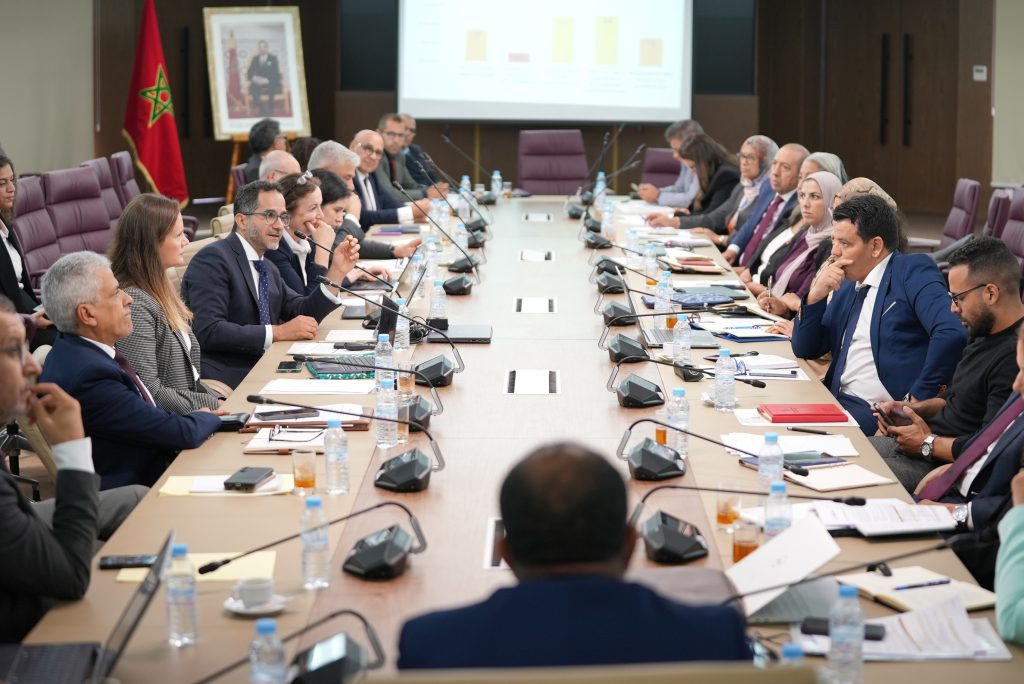
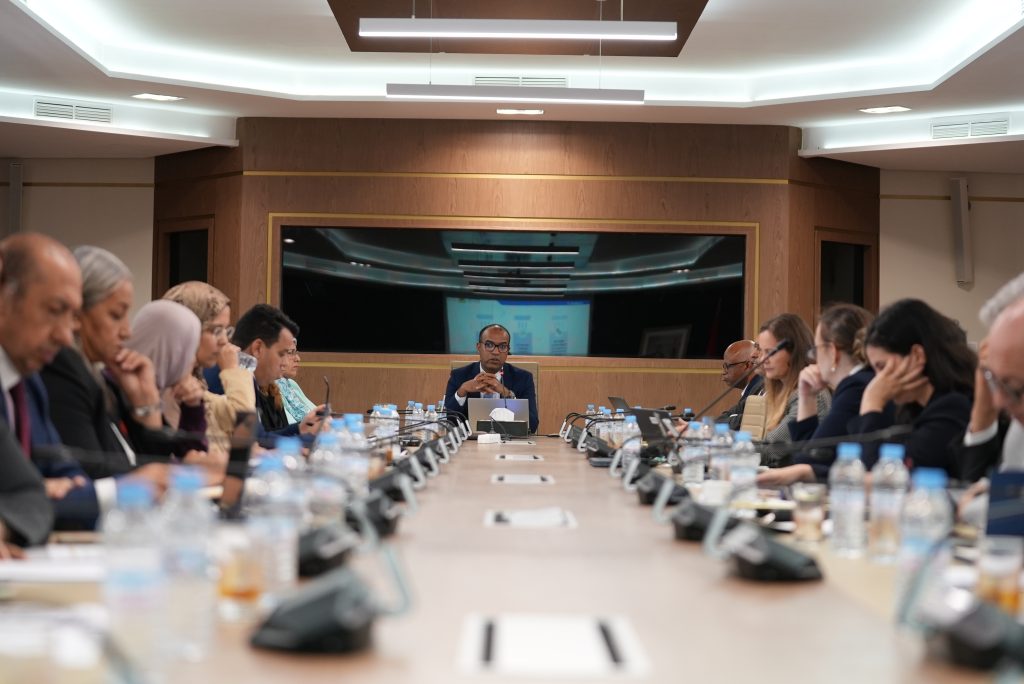
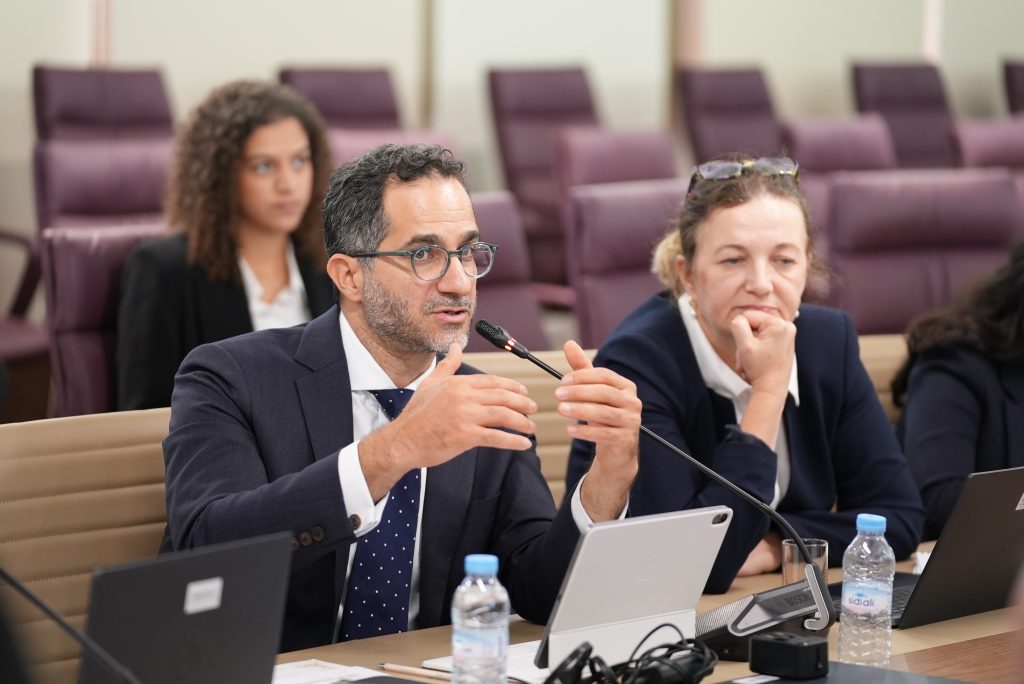
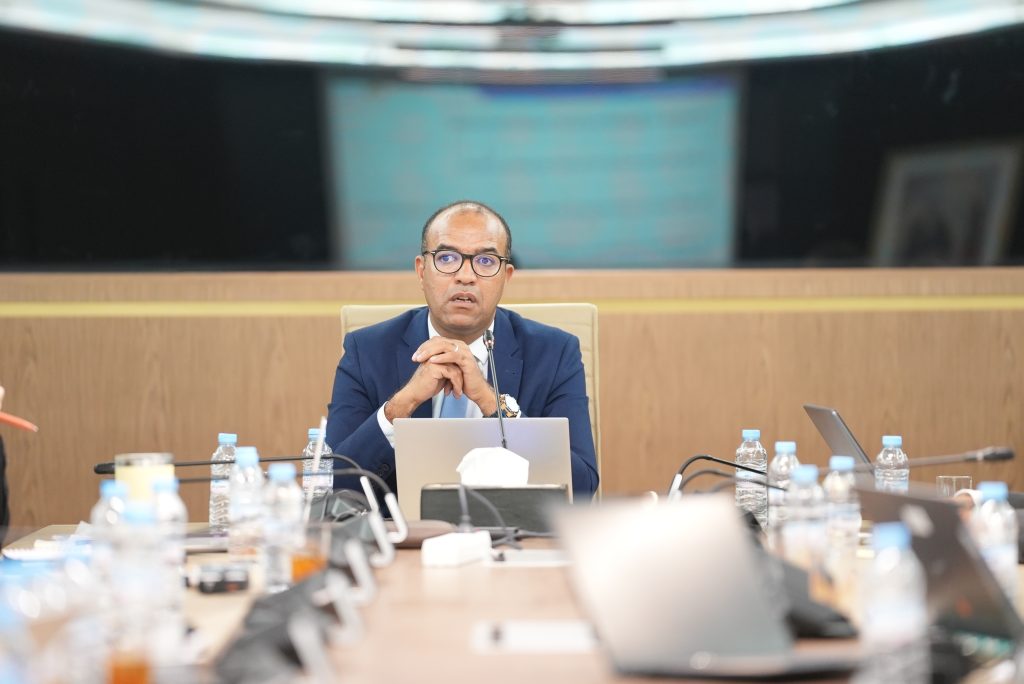
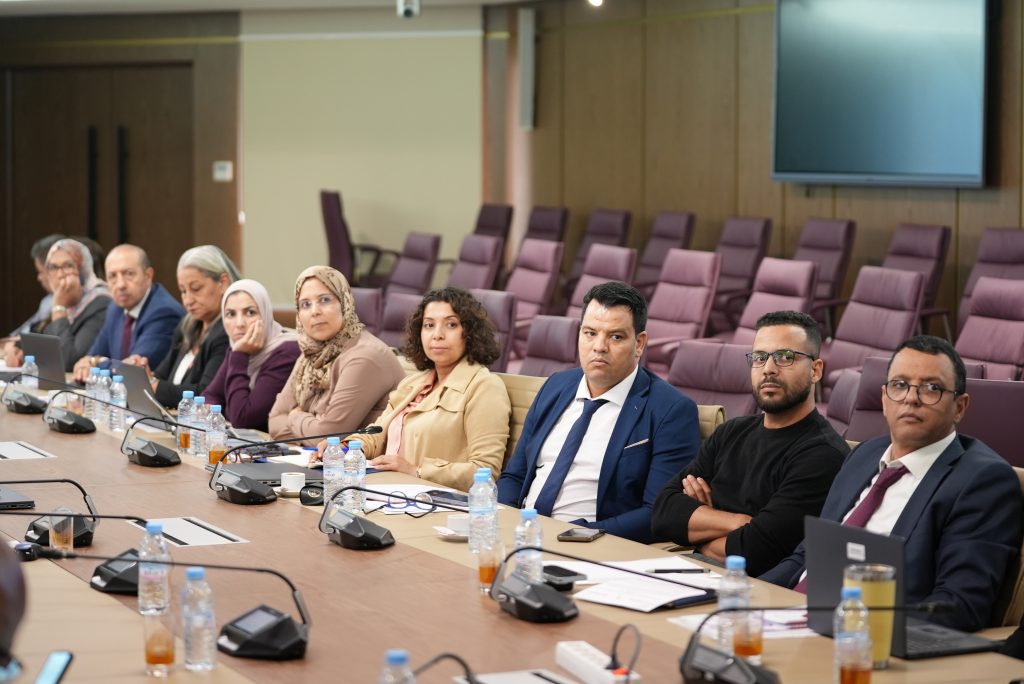
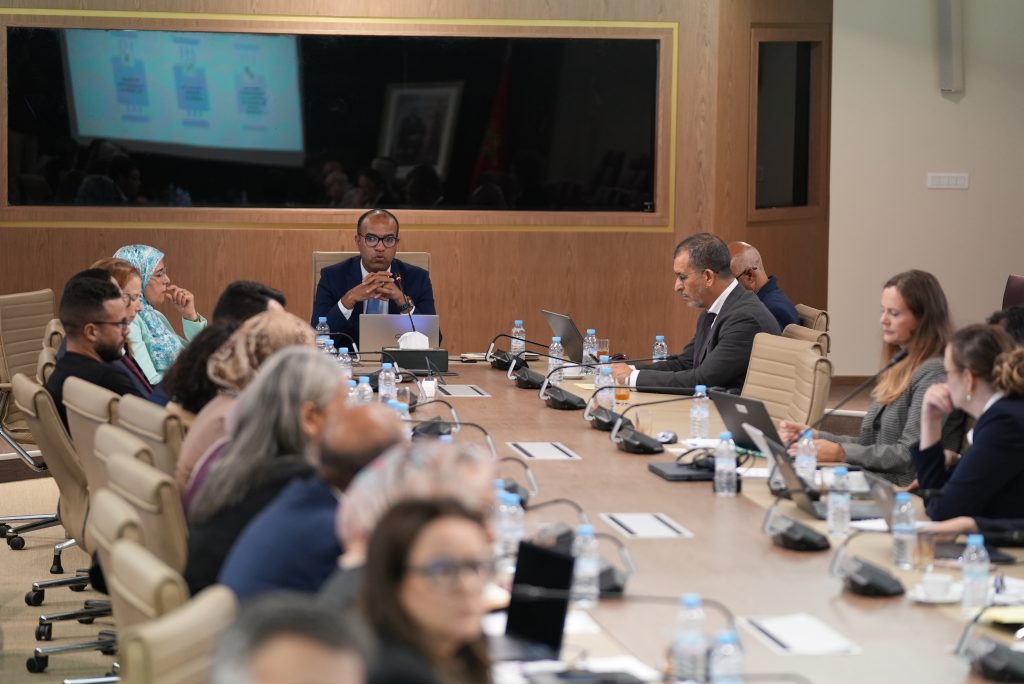
The workshop confirmed strong interest among stakeholders in moving from diagnosis to action. Four areas emerged as particularly important for continued progress:
1. Strengthening Graduate Outcomes Tracking
Reliable information about what happens to students after graduation provides an important foundation for institutional and national decision-making.
The benchmarking highlighted opportunities to strengthen the systematic collection and use of graduate outcomes data, drawing on complementary approaches such as administrative information and graduate surveys.
2. Digitalization of Career Services
Career services are available across the public universities surveyed, but their reach remains constrained by the limited availability of asynchronous resources and digital tools.
Transitioning toward digital-first career services provides an opportunity to expand their reach and make career support more accessible throughout students’ academic journeys, helping more students successfully navigate the transition from university to employment.
3. Employer Engagement for Curricular Relevance
Building systematic and sustained relationships with employers can help institutions stay connected to changing labor market needs and ensure that programs remain relevant.
Stronger employer engagement can inform curriculum development, expand work-based learning opportunities, and increase students’ exposure to the world of work.
4. Core Employability Skills: Digital and Transversal Skills
Preparing students for employment extends beyond technical and disciplinary knowledge.
Embedding digital and transversal skills across academic programs, while supporting faculty in integrating these competencies into teaching and learning, can help graduates develop the capabilities needed to navigate an increasingly dynamic labor market.
From Graduate Outcomes Data to Better Decision-Making
Among the four priority areas, graduate outcomes data emerged as a particularly important area for further action.
Understanding graduates’ transitions into the labor market can help universities ensure program relevance, enhance career services, and strengthen evidence-based institutional decision-making. At the system level, stronger graduate tracking can also provide a clearer picture of how well the higher education sector is responding to evolving labor market needs.
The dialogue highlighted opportunities to further strengthen graduate tracking through the complementary use of administrative data and graduate surveys, while drawing on international experience to identify approaches that can be adapted to the Moroccan context.
A Timely Opportunity to Accelerate Implementation
The national benchmarking and roundtable demonstrated both the progress already underway and the opportunity to build on this momentum.
With employability high on the national agenda, ongoing higher education reforms, and strong engagement from participating institutions, Morocco has an important opportunity to further strengthen the connection between higher education and the labor market.
Moving from benchmarking to implementation will require continued collaboration. Evidence can help institutions establish priorities, but sustained progress depends on translating these insights into practical approaches that fit institutional and national contexts.
The Morocco experience illustrates the broader value of national benchmarking: creating a shared evidence base that enables institutions and stakeholders to learn from one another, identify opportunities for improvement, and move collectively from diagnosis to action.
Acknowledgements
We extend our sincere gratitude to Morocco’s Ministry of Higher Education, Scientific Research and Innovation (MESRSI), the participating universities, higher education leaders, and all participants who contributed to the national benchmarking exercise and the discussions in Rabat.
Their engagement, insights, and commitment to strengthening graduate employability were essential to advancing the dialogue from evidence toward action.
EXPLORE VITAE’S NATIONAL ENGAGEMENTS to learn more about how Vitae is supporting higher education institutions and stakeholders across different countries.
