
From Benchmarking to Action: Senegal
How Senegal translated employability benchmarking insights into action
What happens after an employability benchmarking assessment identifies opportunities for improvement? In Senegal, the answer included program-level industry advisory committees and student career resources leading to stronger links between higher education and employment. While every engagement is different, Senegal demonstrates how benchmarking insights can be translated into practical actions that support graduate employability and workforce readiness through targeted activities designed to address needs identified through the assessment.
Senegal’s Benchmarking Journey
Senegal’s benchmarking engagement evolved from a national-level assessment to targeted institutional support. Together stakeholders used a data-driven approach to design and strengthen graduate employability and employer engagement.
Strengthening Industry-Academia Linkages
A major milestone in this process was a joint IFC and World Bank mission in June 2026 focused on accompanying the launch of industry advisory boards with employer representatives to strengthen industry-academia collaboration. 10 Industry Advisory Boards were launched at 5 institutions in Dakar, St Louis, Richard-Toll and Thies, bringing together more than 80 external representatives from employers, government organizations, and small and medium-sized enterprises.
As part of a pilot phase, the advisory boards cover several academic programs and will meet twice a year to ensure that curricula remain connected to evolving industry needs. The experience will serve as a blueprint to expand industry engagement mechanisms to a broader range of programs across Senegal. The programs include:
- Agriculture
- Renewable Energy
- Fisheries and Aquaculture
- Animal Husbandry
- Electromechanical Maintenance
- Digital Technologies
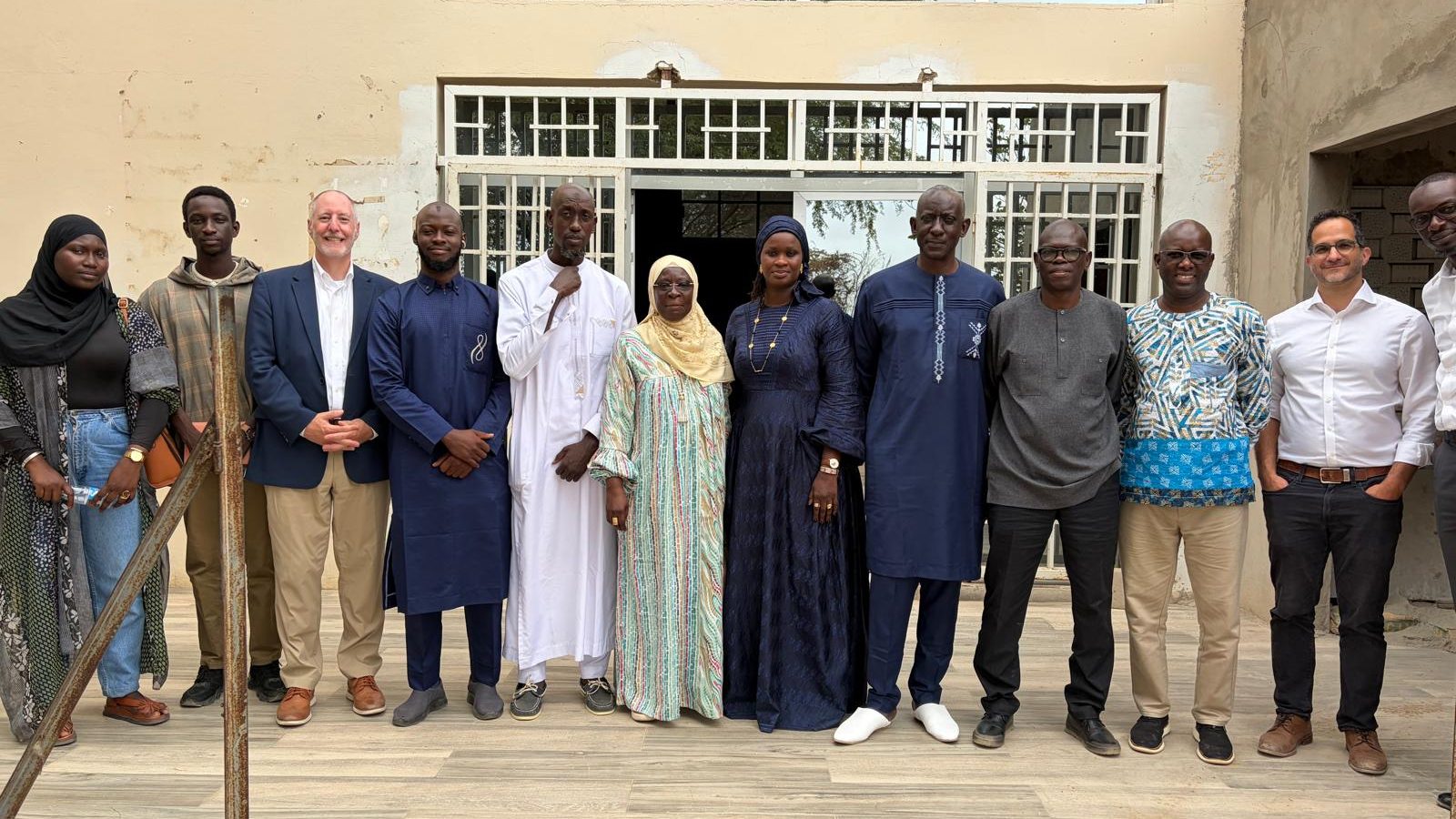
Beyond Consultation to Commitment
The discussions went beyond traditional stakeholder consultations. Employers actively contributed ideas and commitments to support student success.
In several sessions, industry representatives offered real-world challenges for student capstone projects, while others explored opportunities to provide mentorship and support innovation initiatives. In other instances, they explored opportunities to provide mentorship and support innovation initiatives. Discussions also highlighted the importance of integrating artificial intelligence and digital competencies into academic programs to help graduates remain competitive in a rapidly changing labor market.
Notably, all committee members volunteered their time, demonstrating the strong commitment among institutions and employers to strengthen pathways from education to employment. The level of participation reflects a growing recognition that graduate employability is a shared responsibility requiring ongoing collaboration between higher education and industry.
A Continuing Journey
The launch of the industry advisory is one example of how benchmarking can serve as a catalyst for long-term institutional improvement. As these partnerships mature, they are expected to help institutions strengthen curricula, expand experiential learning opportunities, and improve graduate outcomes.
The Senegal engagement demonstrates that employability is not driven by a single intervention, but through a series of connected activities:
- National Employability Benchmarking
- Employability Roundtable and continued stakeholder engagement
- Practical guidance and employability resources
- Implementation support
Together, these efforts are helping Senegal’s higher education institutions build stronger connections between learning and employment, better preparing graduates for success in a rapidly evolving labor market.
Benchmark your institution now with our free questionnaire >
