
South Africa National Benchmarking Roundtable
Driving Systemic Change: Lessons from South Africa’s National Benchmarking on Graduate Employability and Digital Maturity
Fostering a data-driven culture to bridge the gap between higher education and the labor market.
Navigating the rapid economic and technological transformations of today’s labor market requires a proactive approach from higher education. In South Africa and across other emerging markets, it is increasingly vital for institutions to elevate their employability practices and prioritize the development of future-ready skills. This ambition goes hand-in-hand with fostering comprehensive digital transformation, ensuring that modern technology is seamlessly integrated into both teaching and institutional operations to better prepare graduates for a global workforce.
To address these challenges the International Finance Corporation (IFC), a member of the World Bank Group, in partnership with South Africa’s Council on Higher Education (CHE) recently convened stakeholders in Johannesburg and Cape Town on May 12 and 14, 2026. These gatherings were informed by a comprehensive national benchmarking exercise focused specifically on Graduate Employability and Digital Maturity. Involving 50 public and private higher education institutions, collectively representing over 690,000 students, the initiative provided a robust evidence base for strategic sector dialogue.
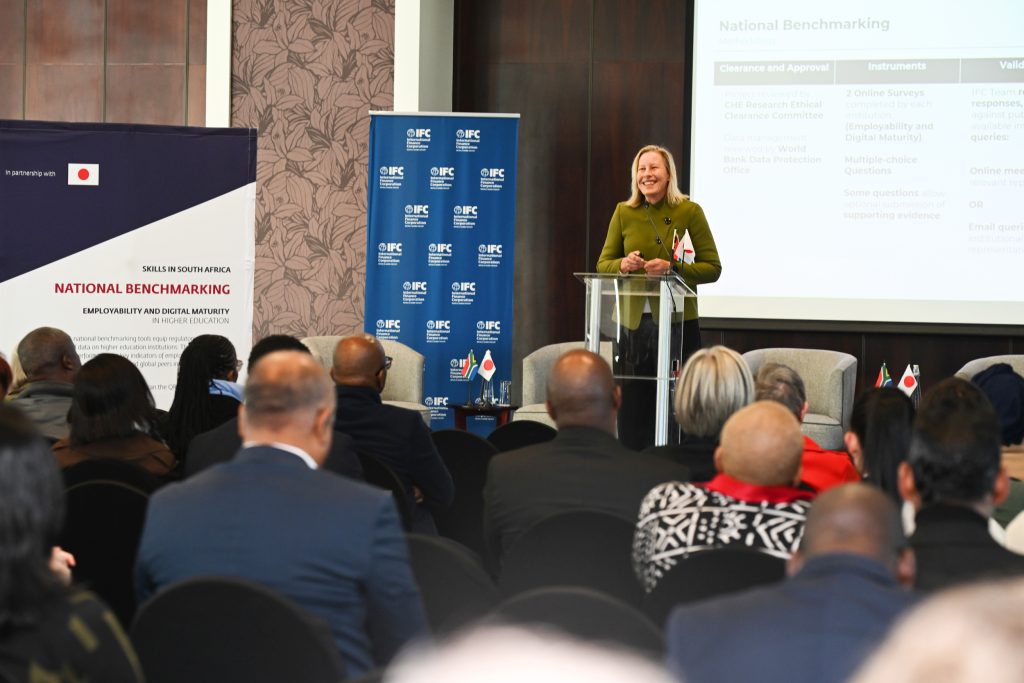
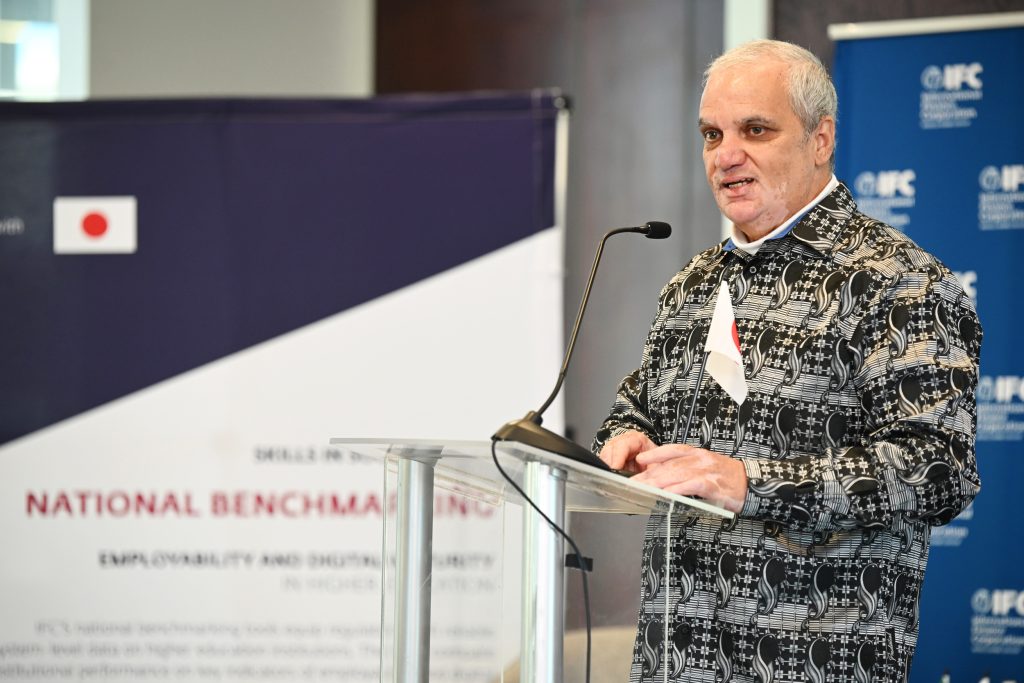


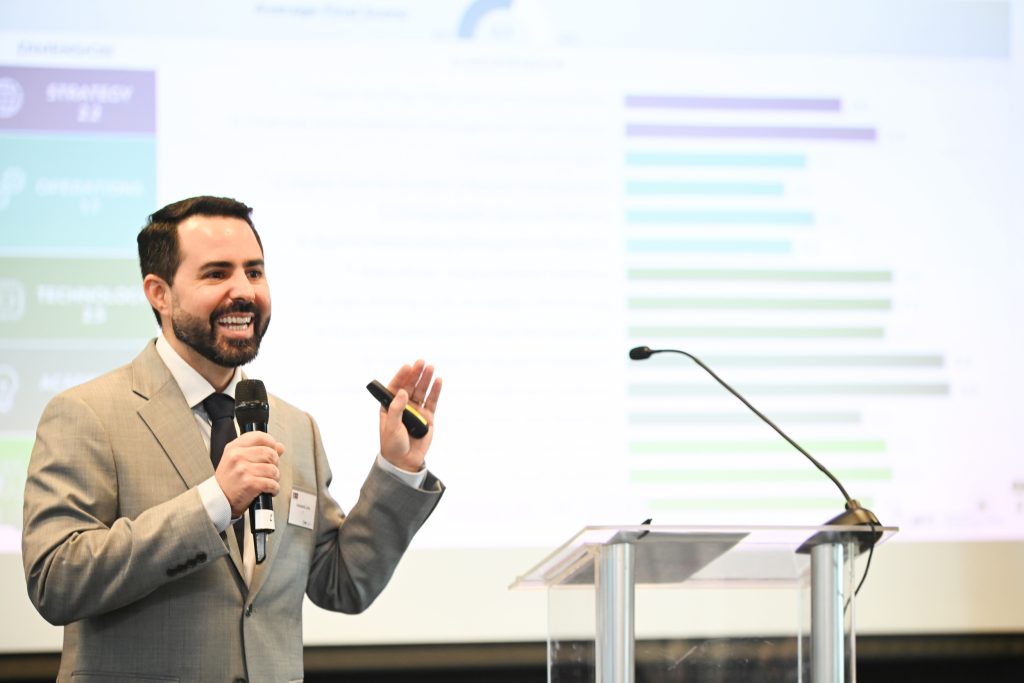
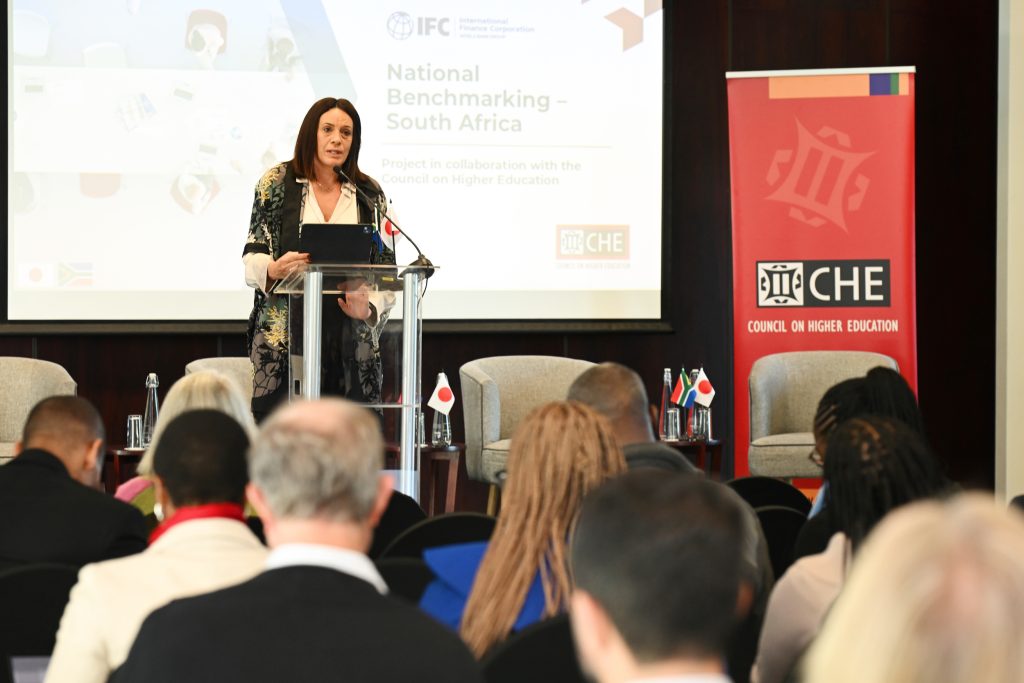




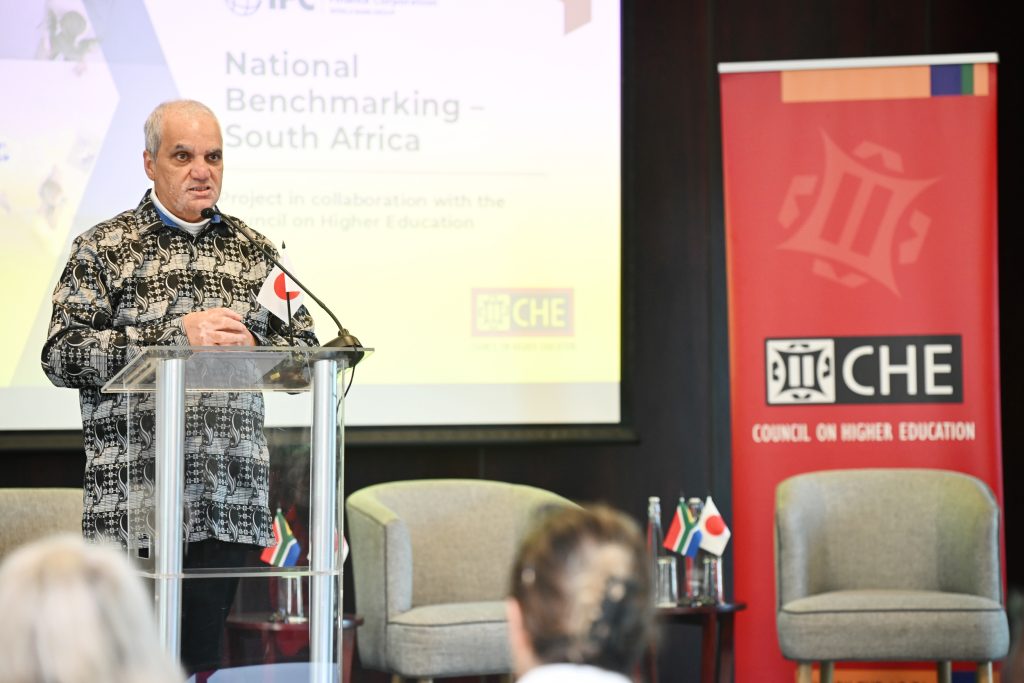
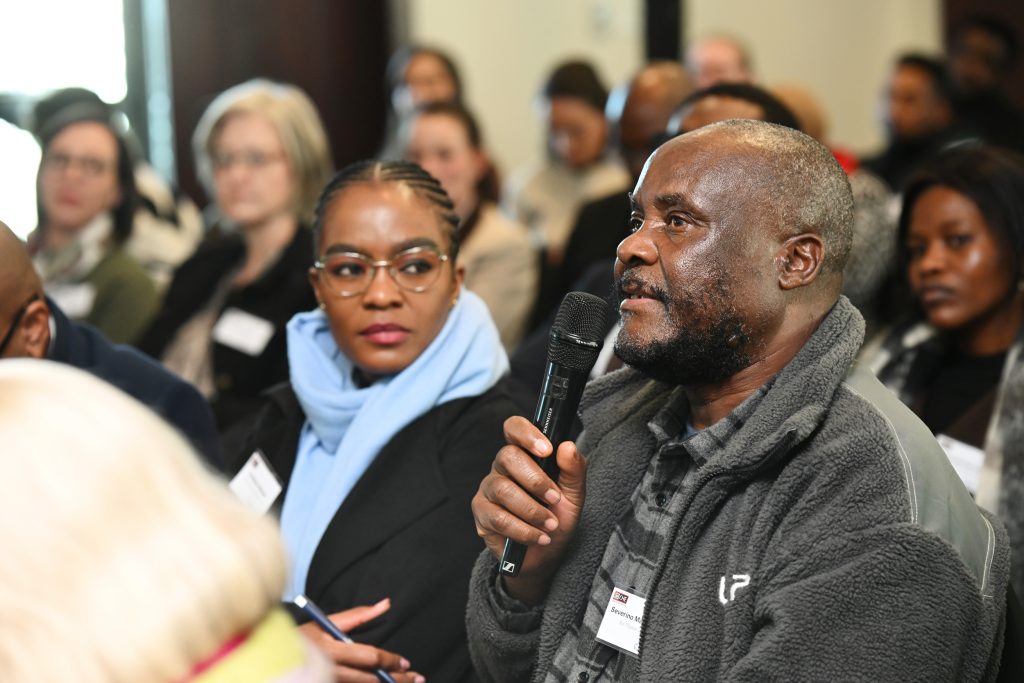
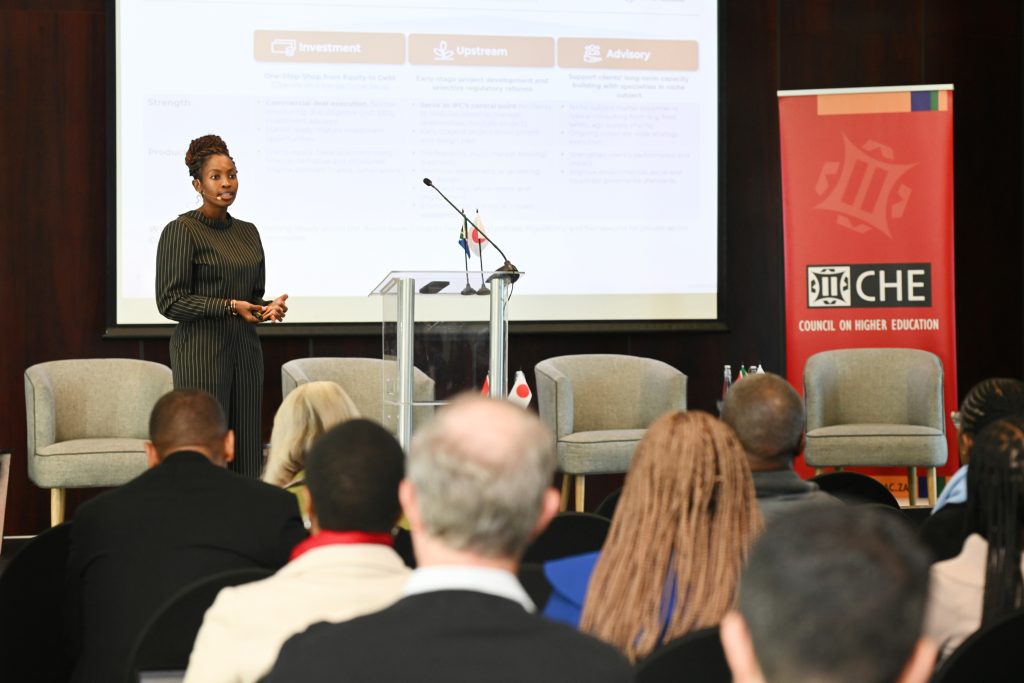

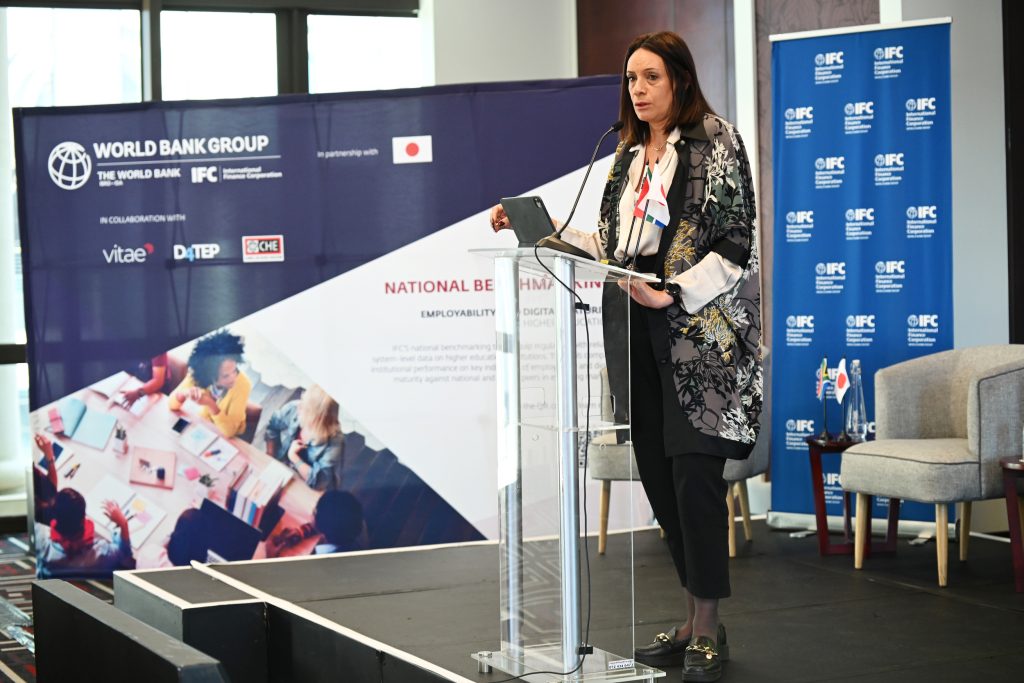
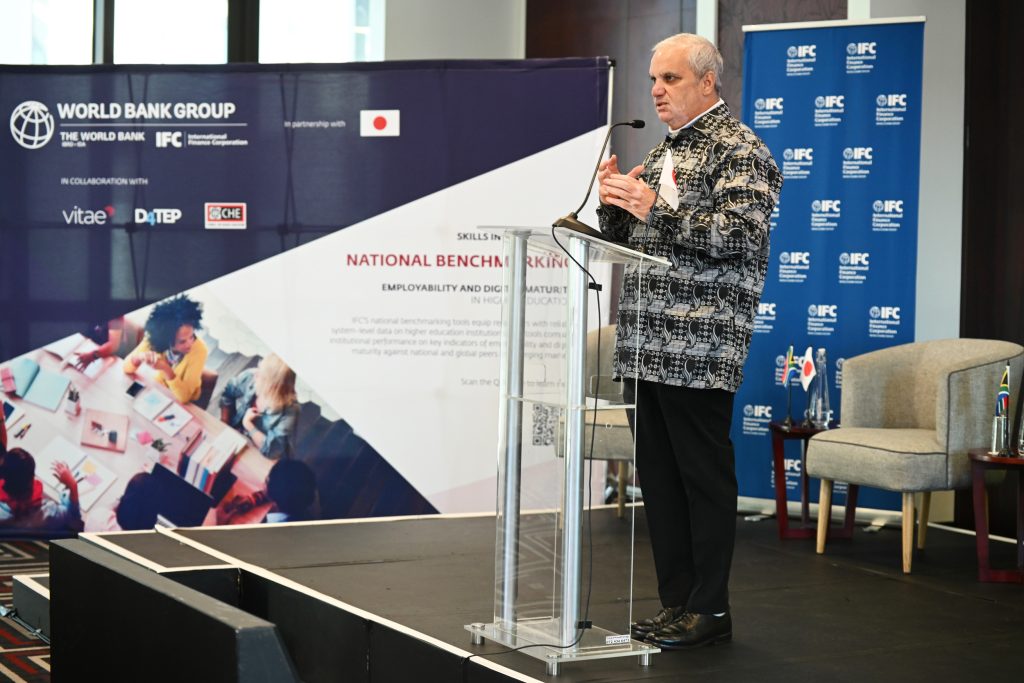

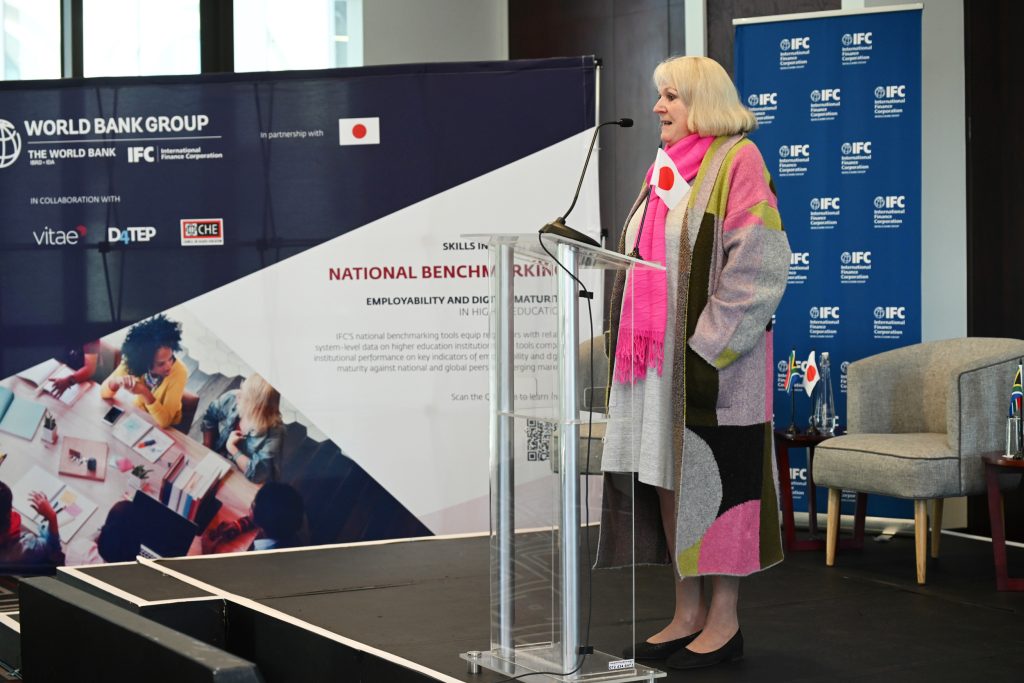


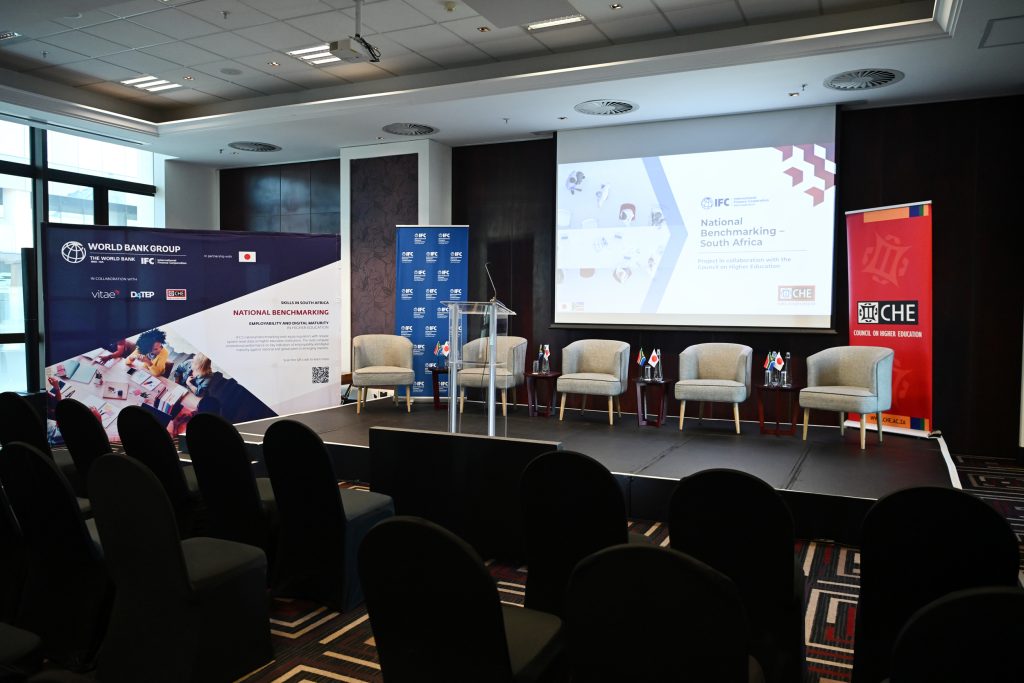
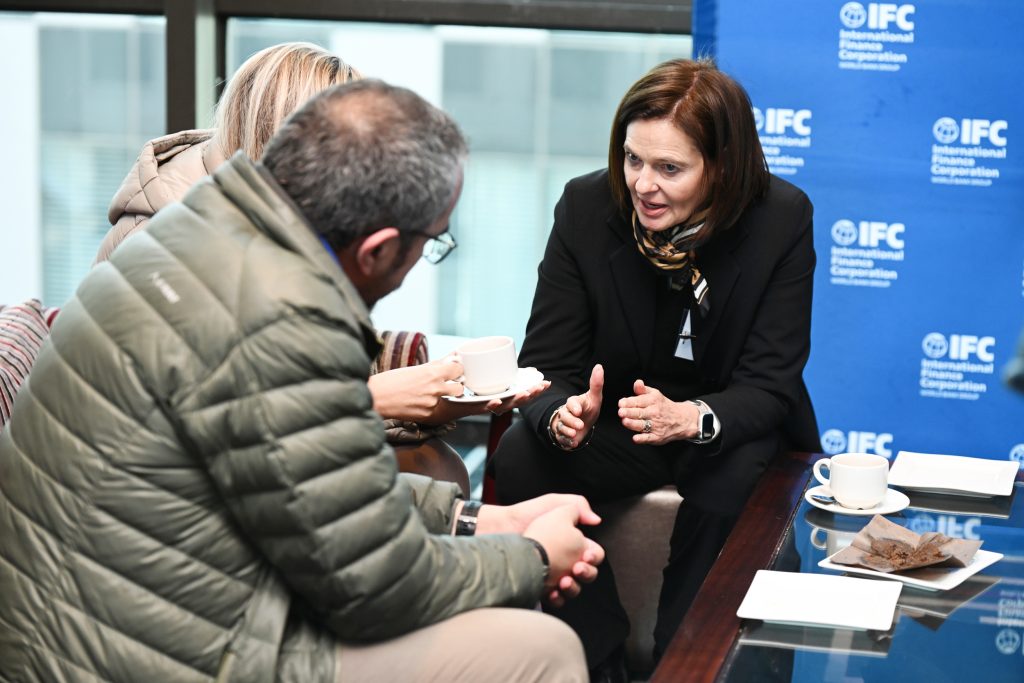


Key Points from the Dialogue
The discussions fostered a rich exchange of ideas and surfaced several critical themes for strengthening the link between education and employment:
- The Evolving Role of Higher Education
Participants engaged in a thoughtful debate on the dual mission of universities: to advance knowledge generation through academic research and to equip students with practical, market-relevant skills. The discussions emphasized that these two objectives are not mutually exclusive but must be intentionally integrated. - Beyond the Curriculum
A recurring theme was the urgent need to embed digital and soft skills across all academic programs. Institutions acknowledged that while curriculum is core, skills such as critical thinking, agility, and collaboration are what enable graduates to thrive in a dynamic world of work.
“For us, participating in these surveys was more than just benchmarking… it’s more about how we continue to ensure that our students remain employable, but also how do we make sure that we impact them positively in terms of giving them those digital skills that they will need for the future world of employment.”
Derrick Zitha, Head of the Quality and Academic Planning Office at University of the Witwaterstand
- Leveraging Graduate Outcomes for Strategic Planning
The IFC team highlighted the critical importance of tracking graduate outcomes data. Systematically gathering this information is vital for supporting evidence-based institutional planning, while also holding significant potential to inform broader national policy and decision-making frameworks.
- The Power of Collaboration
The events highlighted the immense value of breaking down silos. Collaboration between public and private institutions, as well as deeper engagement with industry, were identified as key drivers of success.
- From Data to Action
The benchmarking exercise provided a robust evidence base for decision-making. The dialogue moved beyond data analysis to focus on strategic implementation, weaving together digital transformation and employability strategies.
“Digital transformation has changed the way we do business, it had changed the way we teach, it has changed the way we learn… it means that now universities are expected to do more to prepare graduates for the world of work.”
Louis Mapatagane, Director of Planning and Institutional Intelligence at Walter Sisulu University
A Replicable Model for Global Impact
The South African experience demonstrates the profound impact of fostering a national dialogue grounded in evidence. By creating a platform for collaboration and knowledge sharing, this initiative has catalyzed a sector-wide commitment to enhancing graduate outcomes.
This project underscores a powerful lesson: empowering institutions with comparative data and facilitating constructive dialogue can pave the way for systemic change. This collaborative, data-driven approach offers a replicable and scalable model for other countries striving to enhance the capacity of their higher education sectors and create new opportunities for their youth.
For more information about how we can implement these benchmarking initiatives at an institutional or national level, please contact us.
Acknowledgements
We extend our sincere gratitude to all institutional leaders, partners, and participants who contributed to these rich and forward-looking discussions. A special thank you to the Government of Japan for funding this initiative.
CHECK THE PRACTICES OF YOUR INSTITUTION WITH BENCHMARKING AT https://www.vitaeready.org/benchmarking/
