
INQAAHE Forum 2026: Advancing Quality, Skills, and Jobs in Higher Education

At this year’s International Network for Quality Assurance Agencies in Higher Education (INQAAHE) Forum, IFC was proud to share how partnerships and targeted initiatives are helping transform the higher education landscape in South Africa.
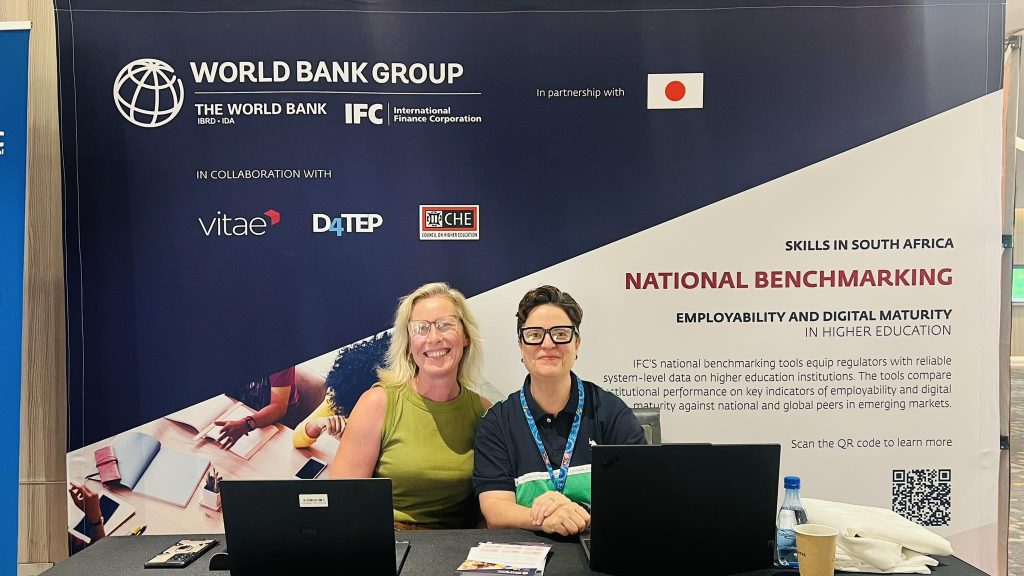
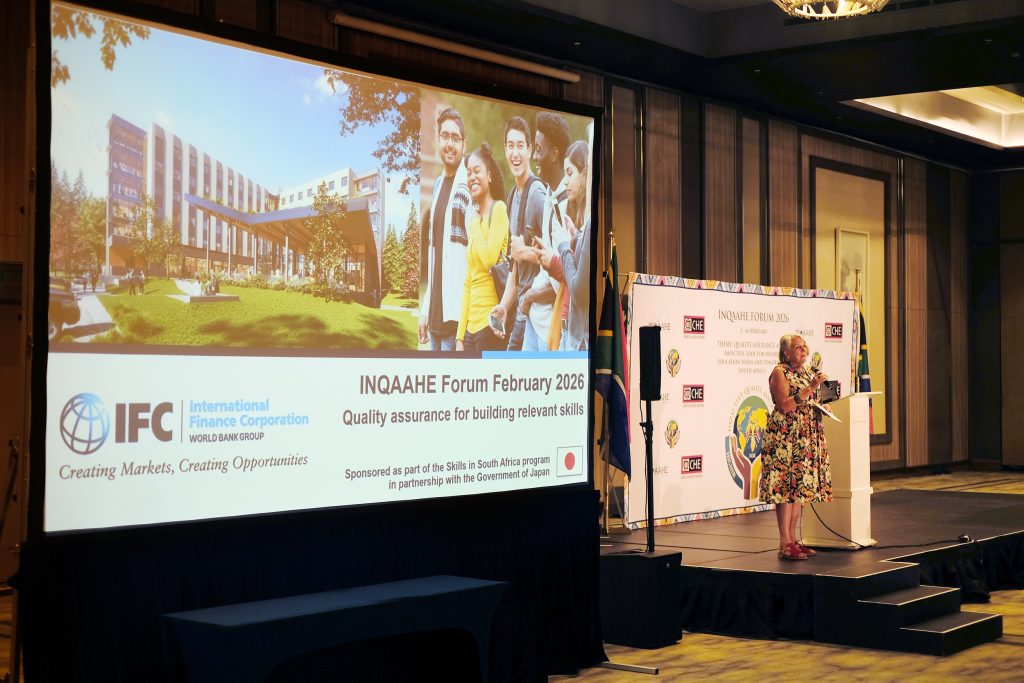
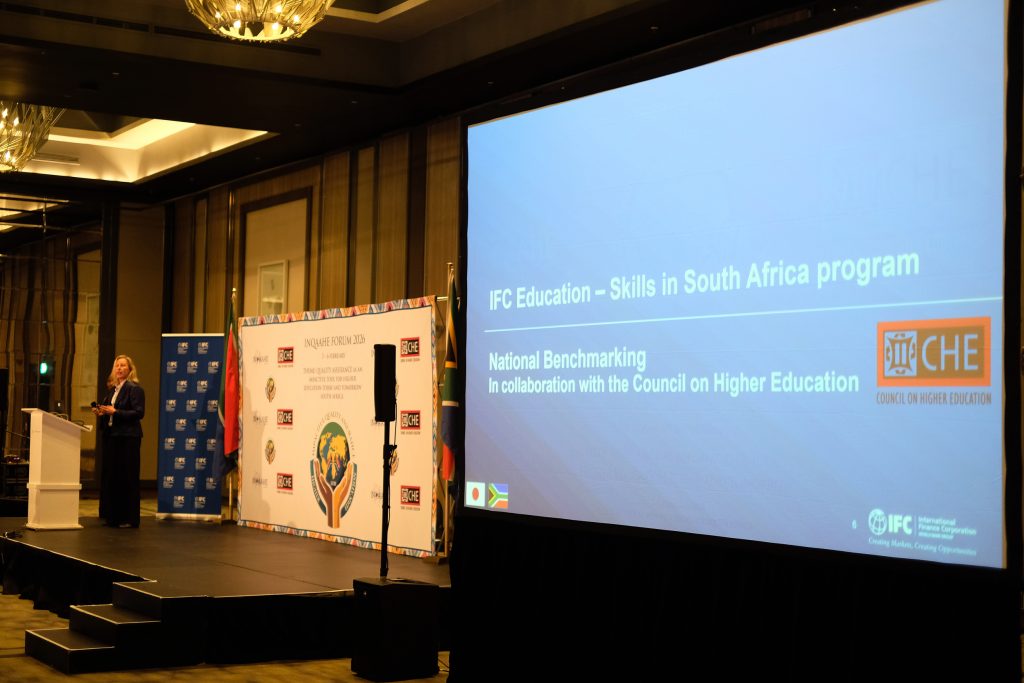
We spotlighted our work with the Council on Higher Education (CHE) South Africa under the Skills in South Africa program — an initiative generously funded by the Government of Japan. The program has a clear goal: to strengthen the quality of private higher education and better align graduate outcomes with the demands of the labor market.
Connecting Quality Education and Jobs
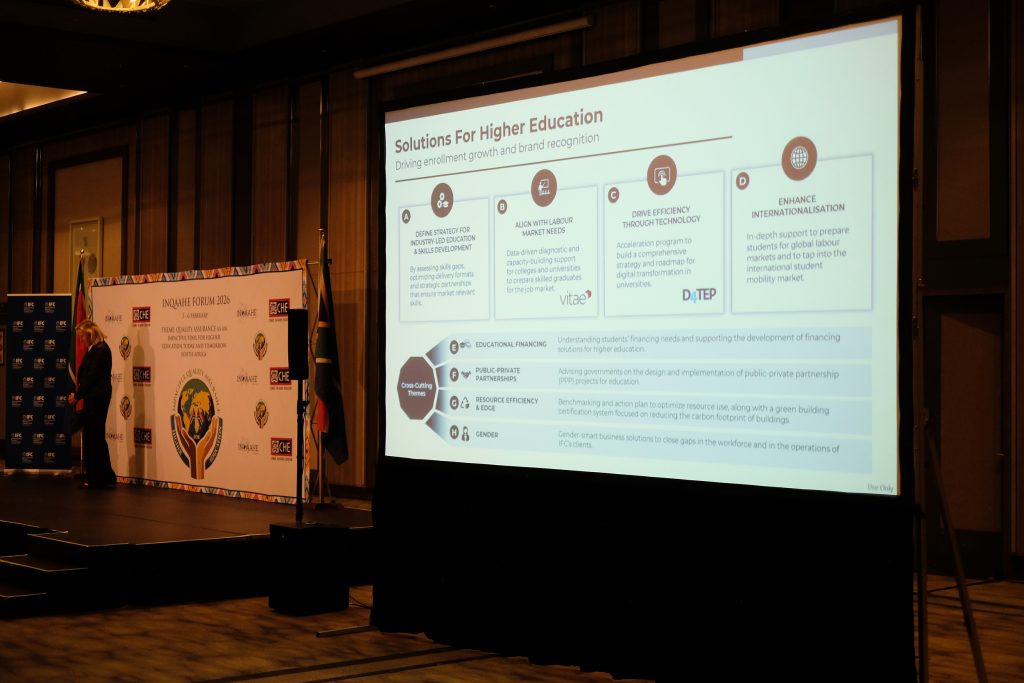
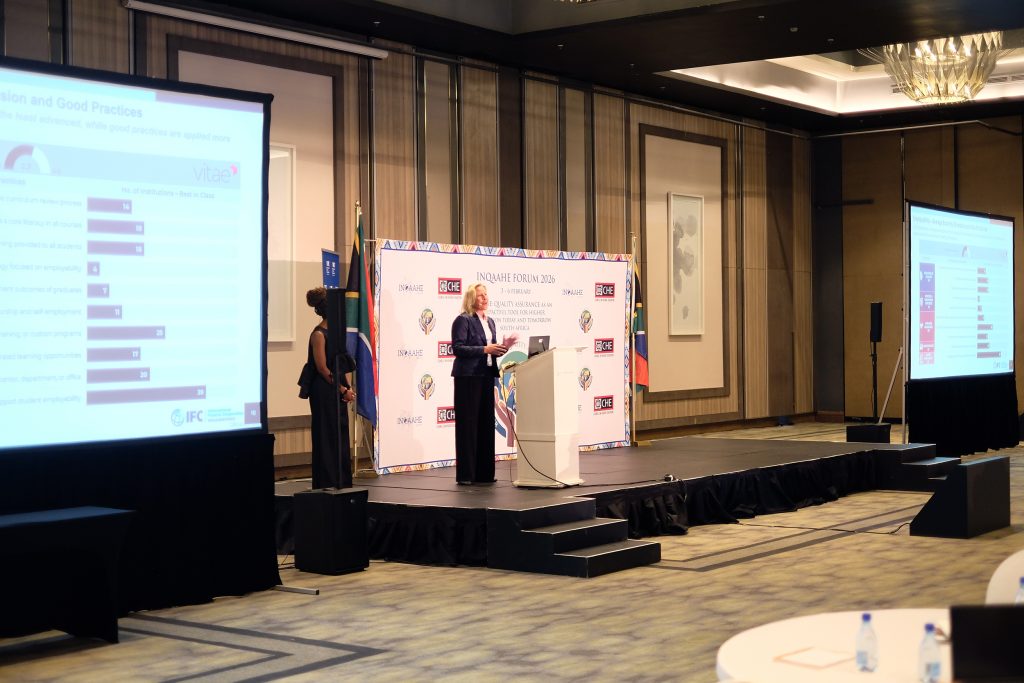
Skills development is at the heart of economic opportunity. Employers are searching for graduates who are not only technically proficient but also digitally fluent and adaptable. That’s why a key component of the program is the creation of a national benchmark that measures employability and digital maturity in collaboration with Vitae and D4TEP.
This benchmark will serve as a tool for institutions to evaluate and improve how they prepare students for the world of work — ensuring graduates have:
- Relevant professional and technical skills.
- Strong digital capabilities to succeed in a rapidly evolving economy.
- Greater resilience in a competitive job market.
Highlights from the INQAAHE Forum
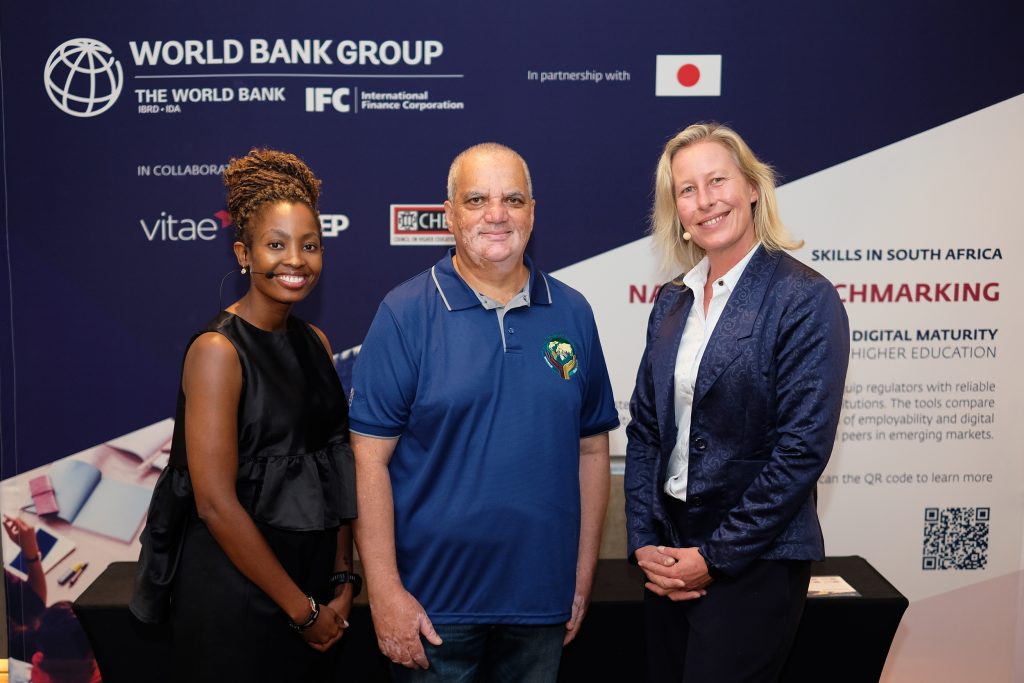
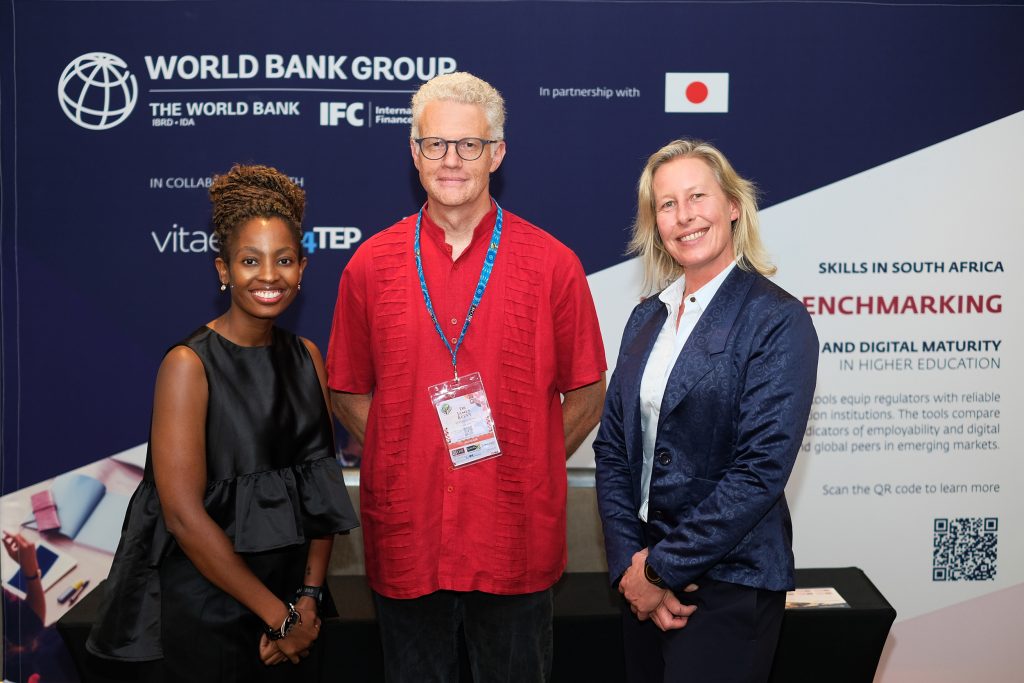
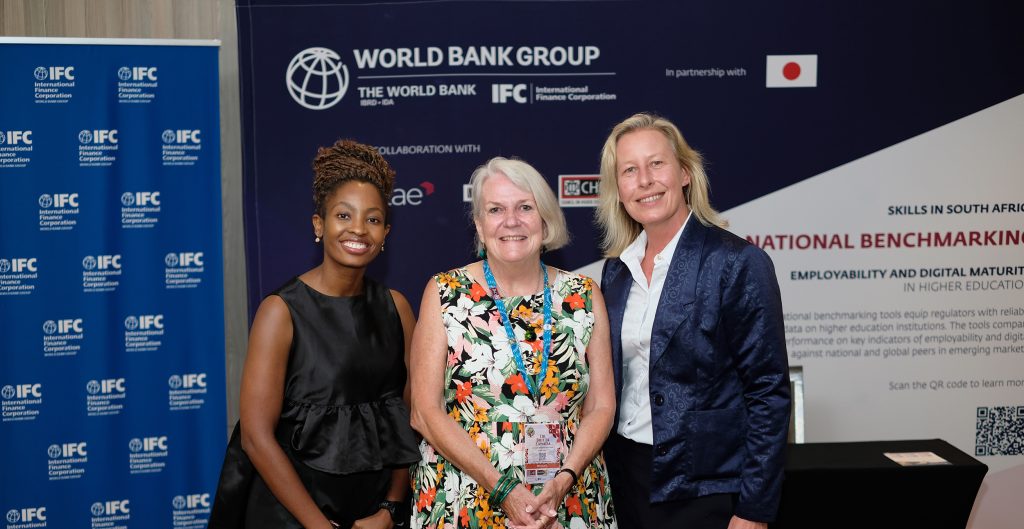
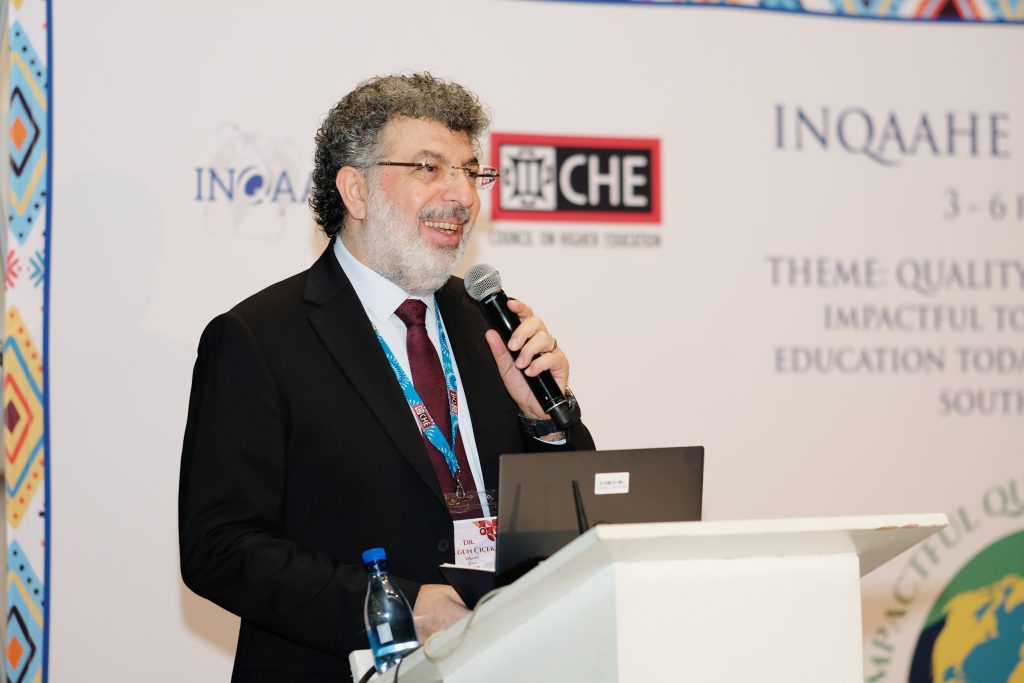
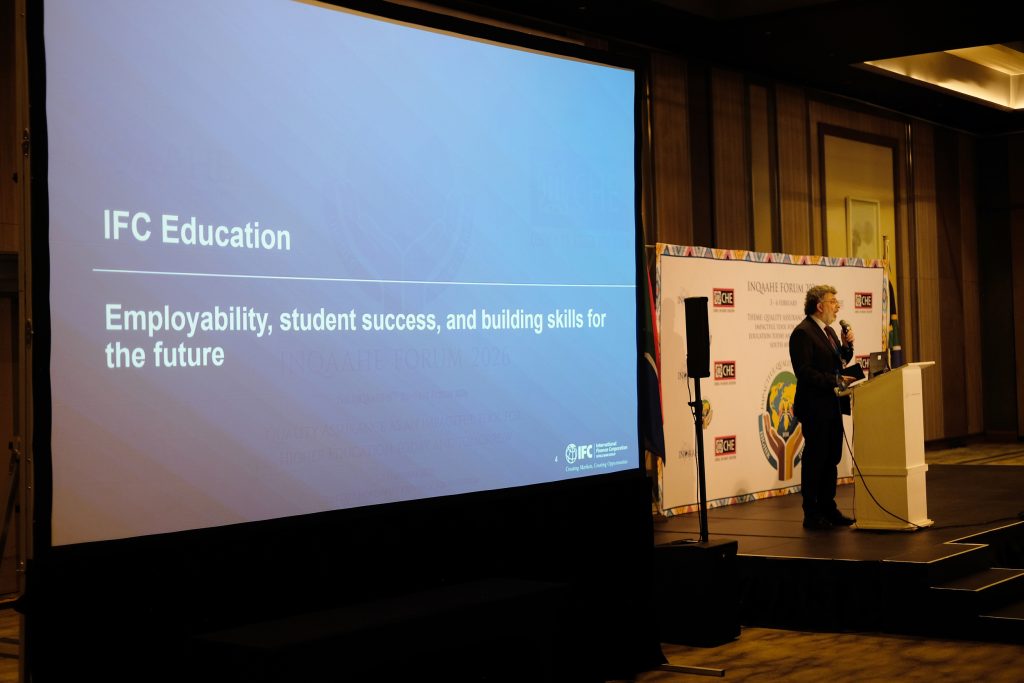
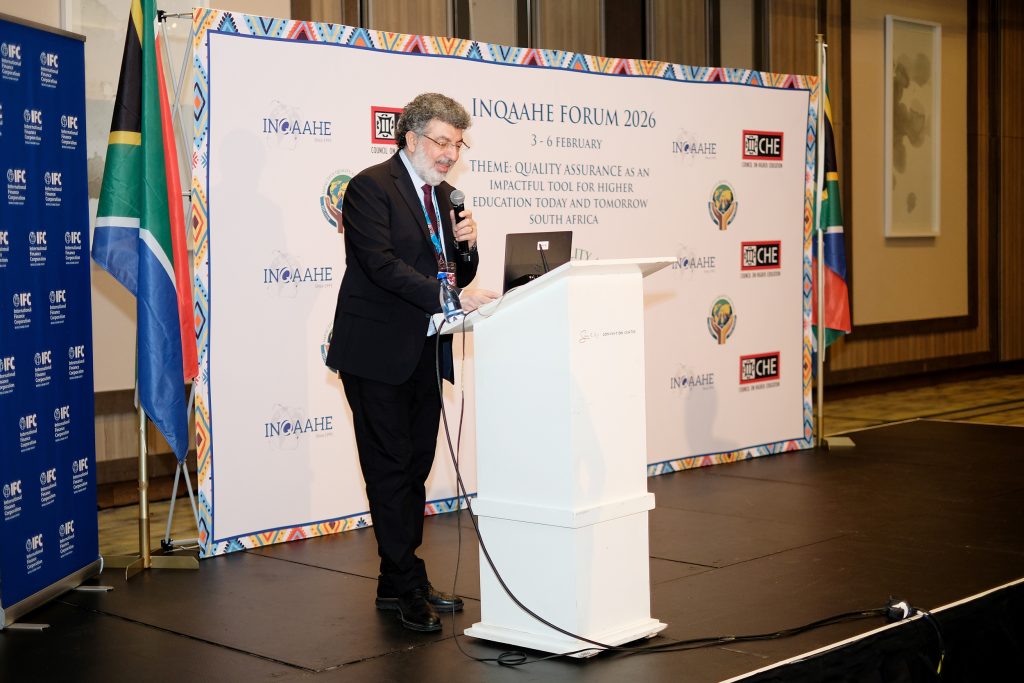
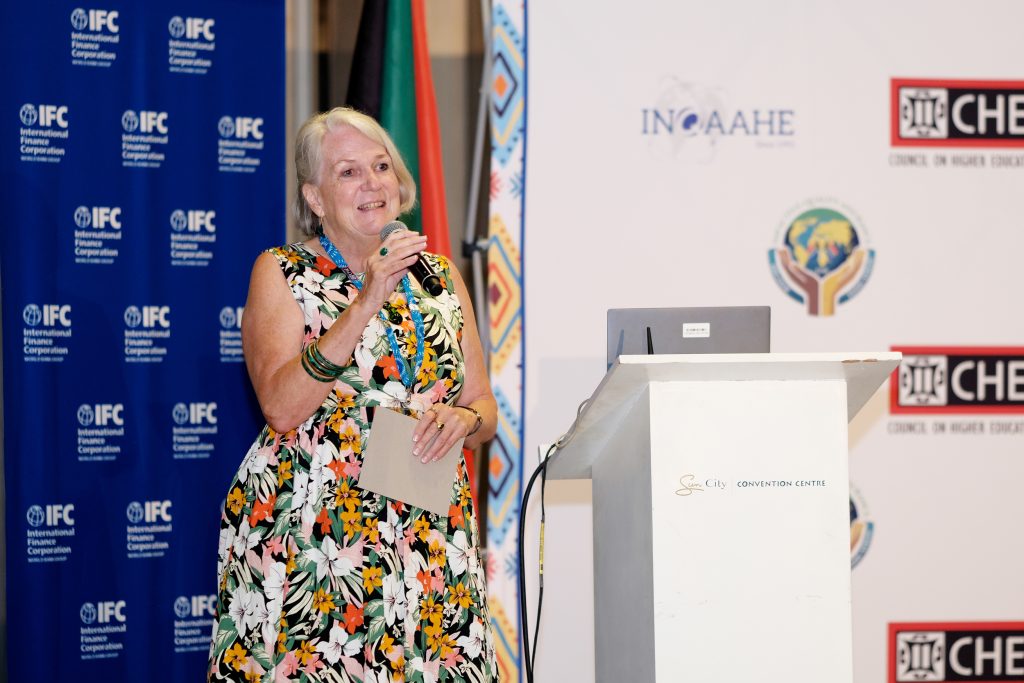
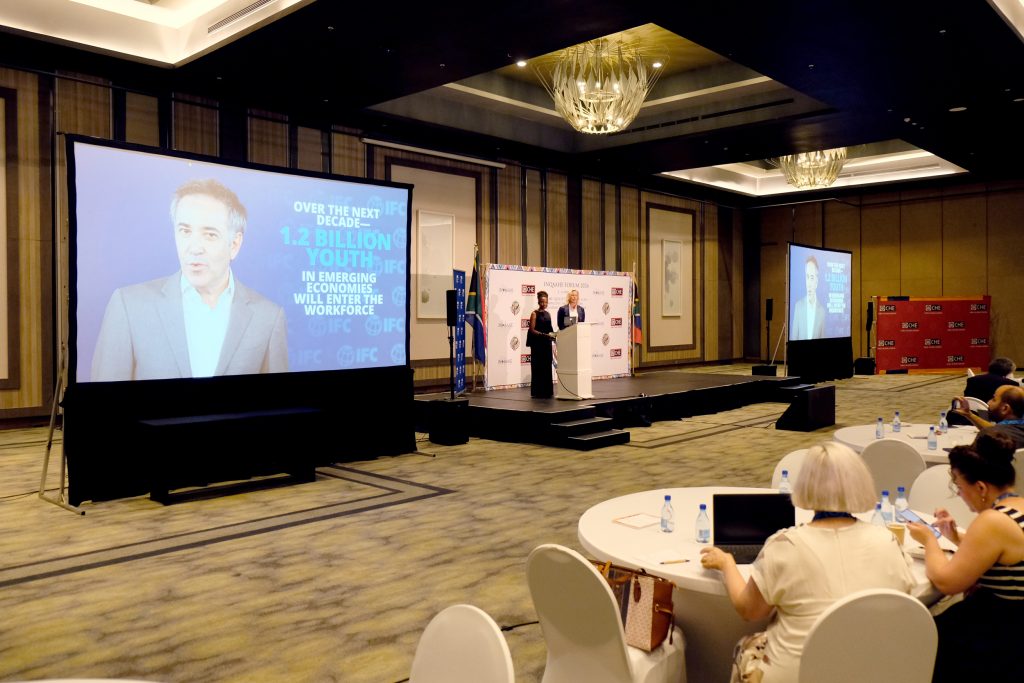
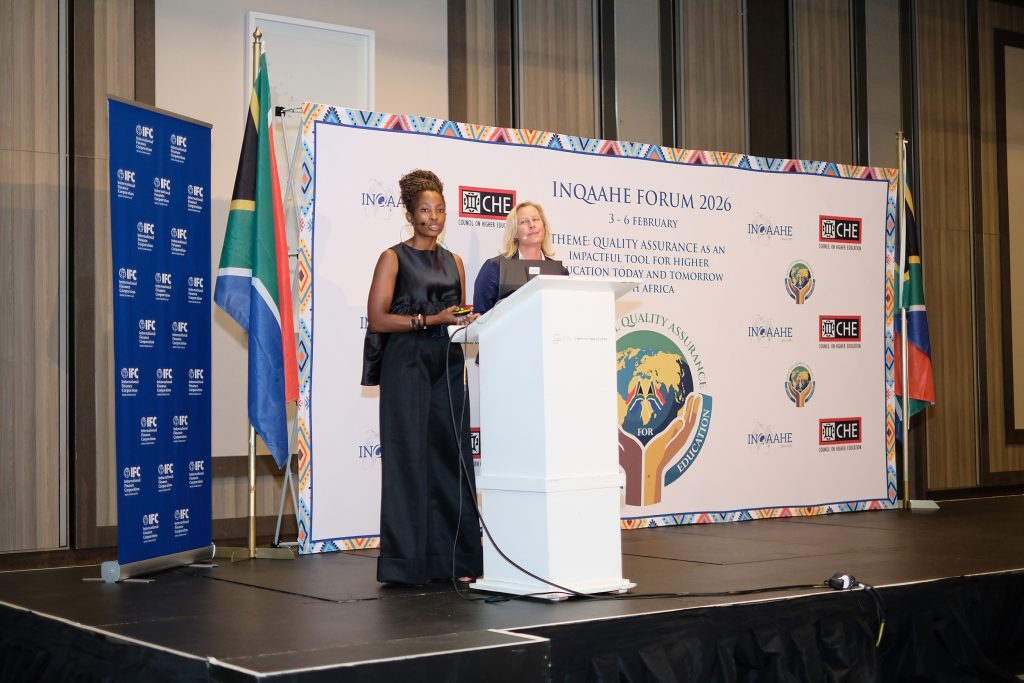
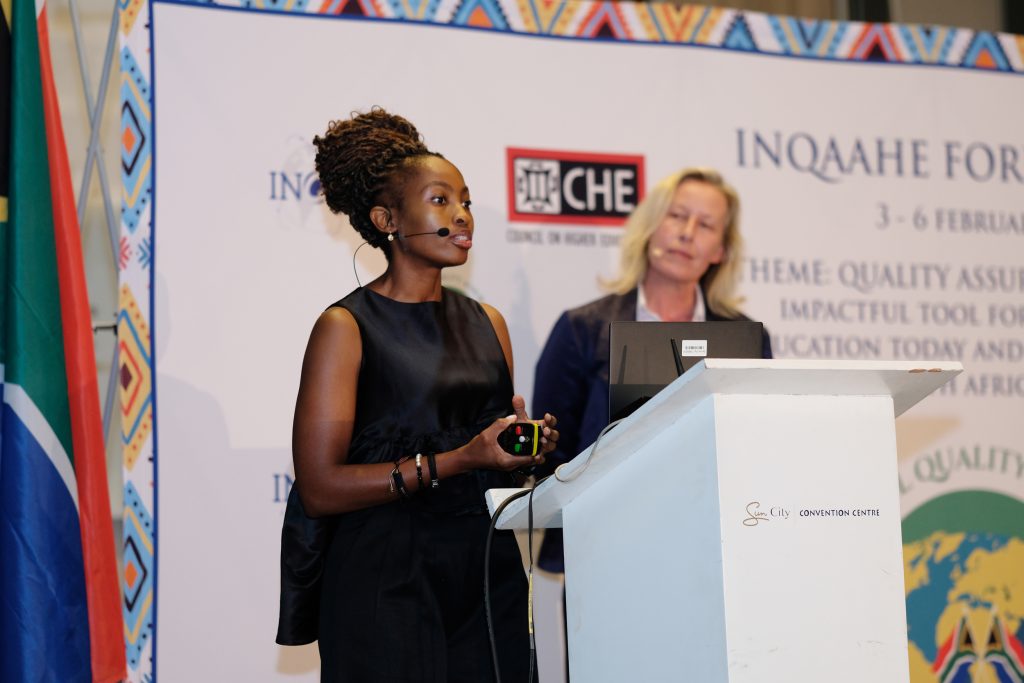
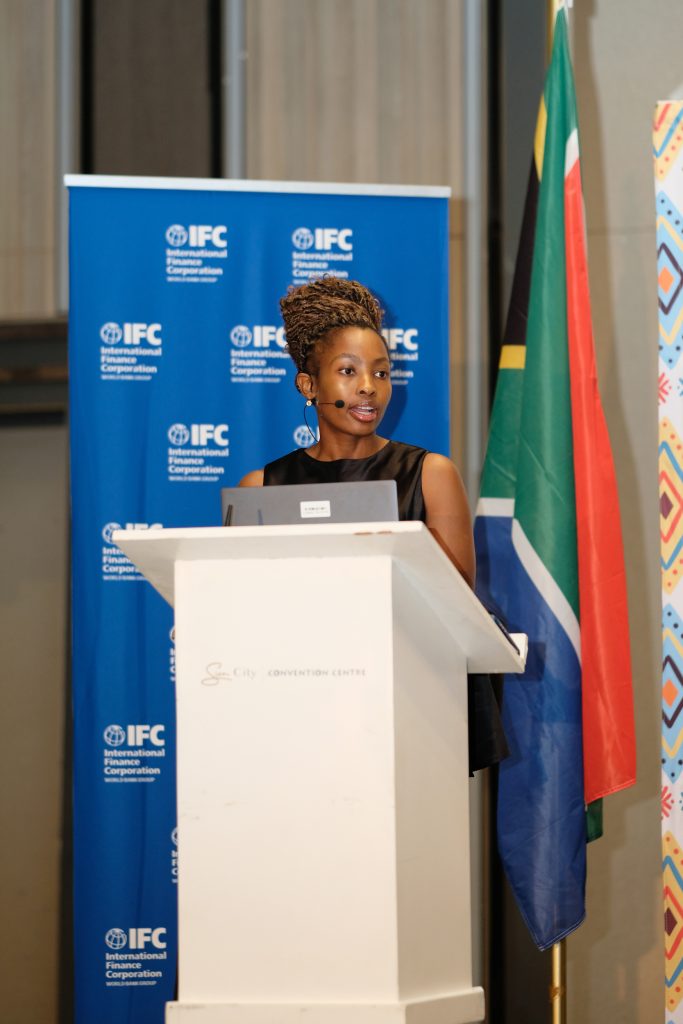
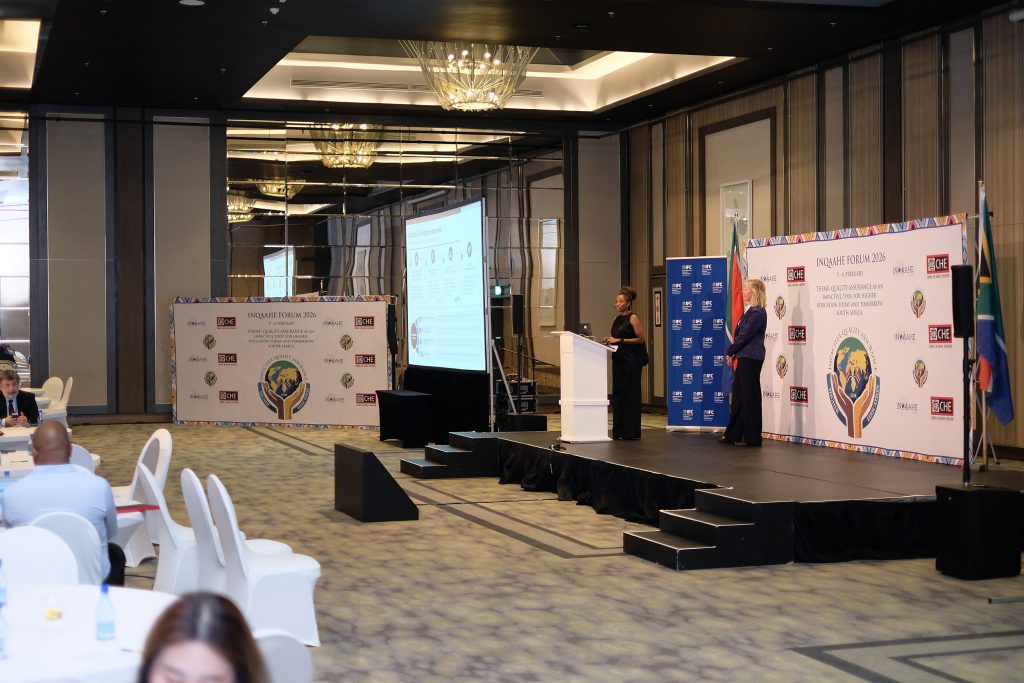
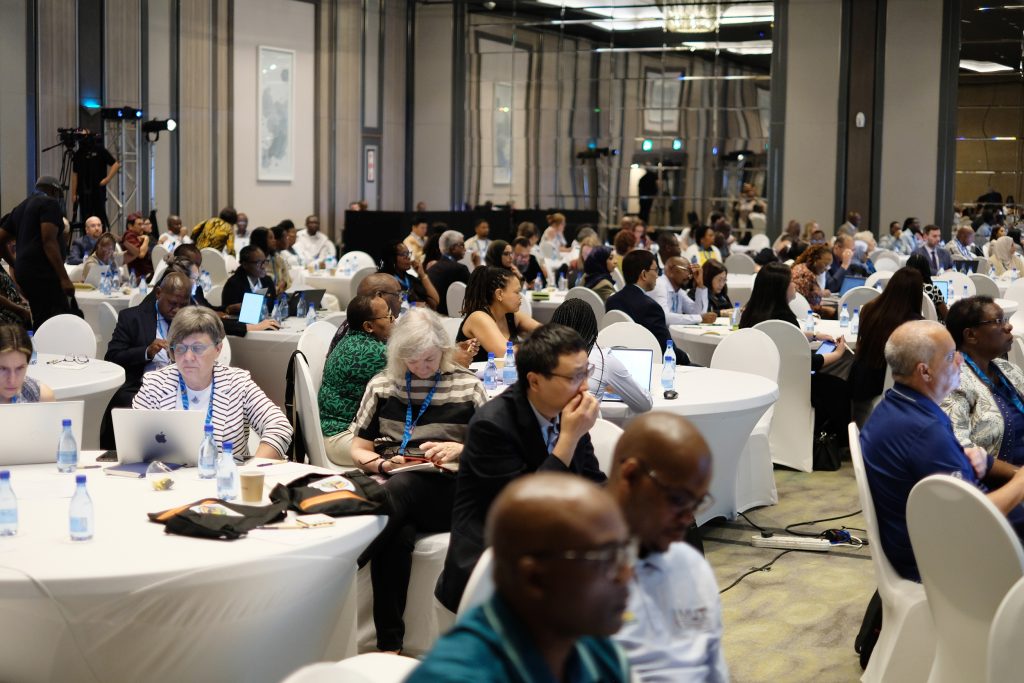
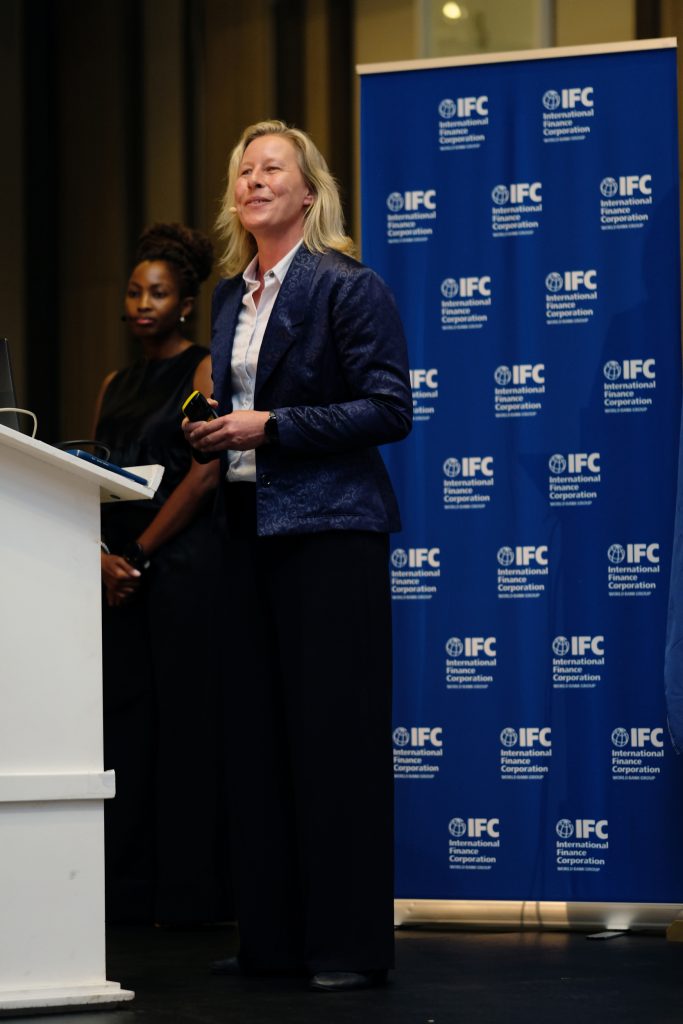
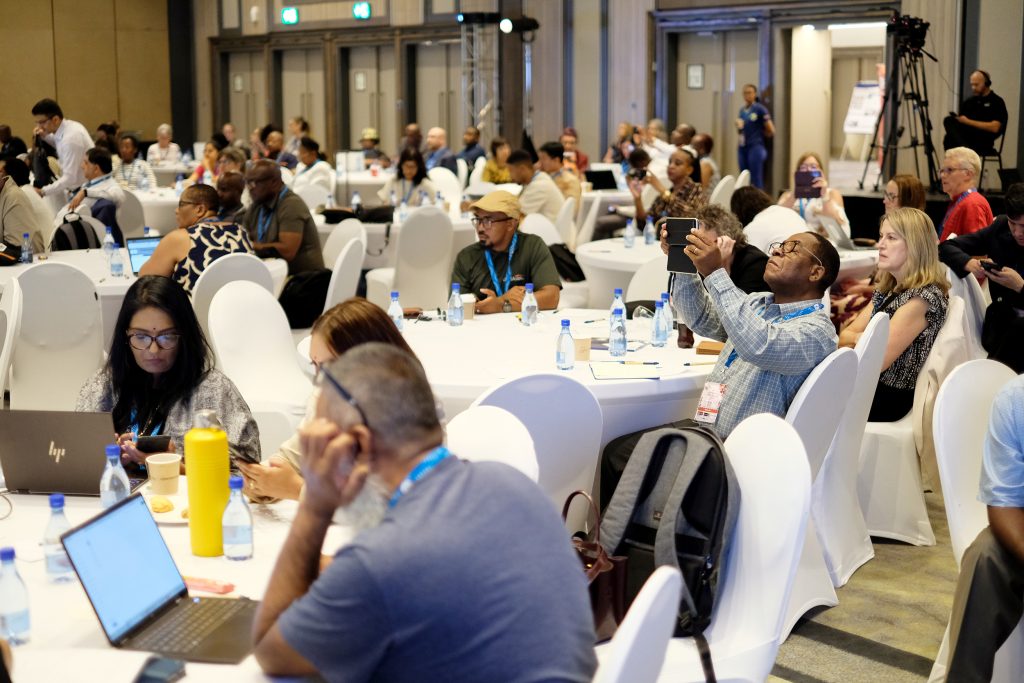
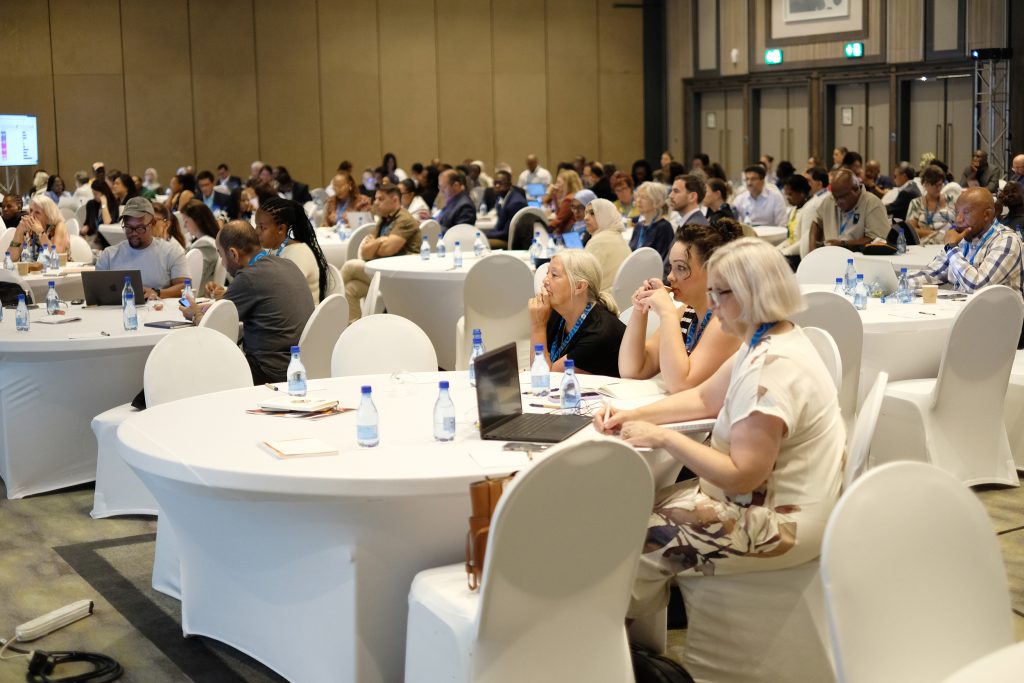
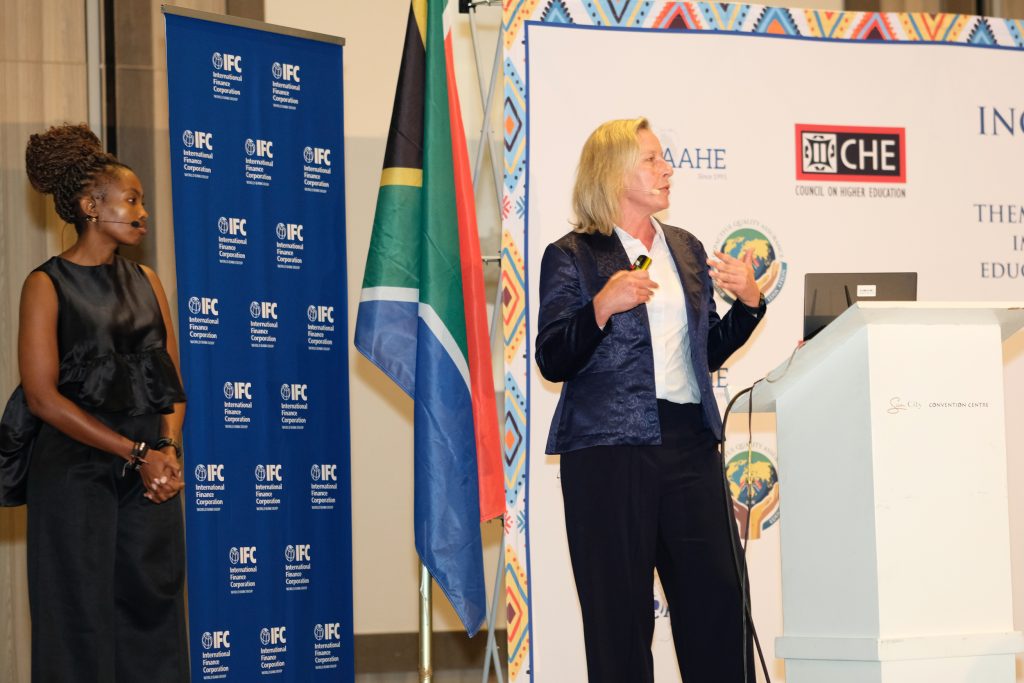
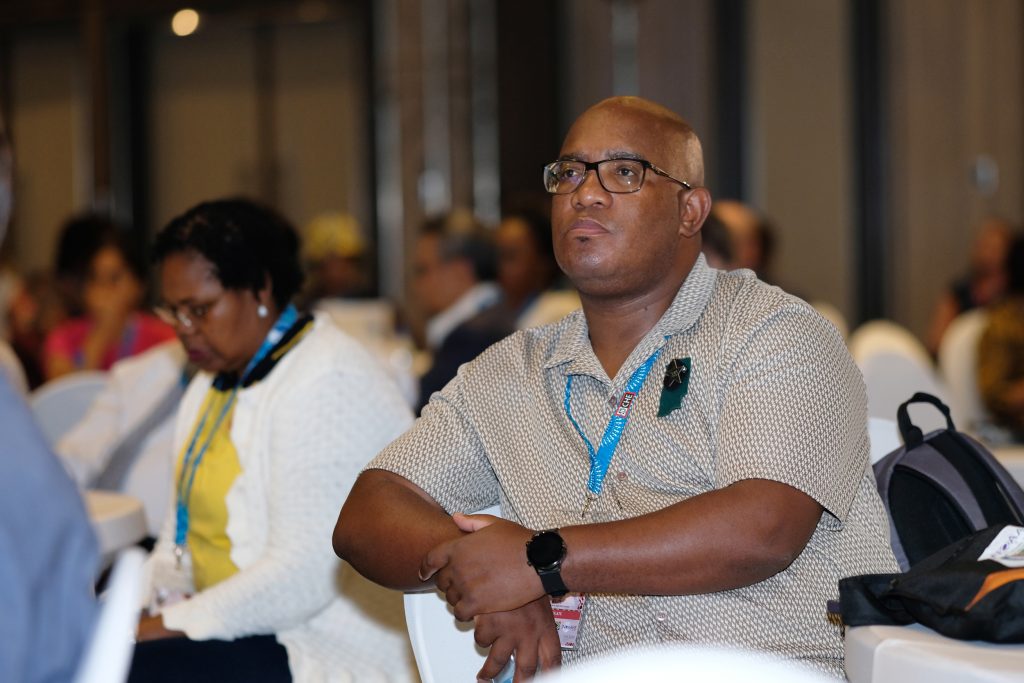
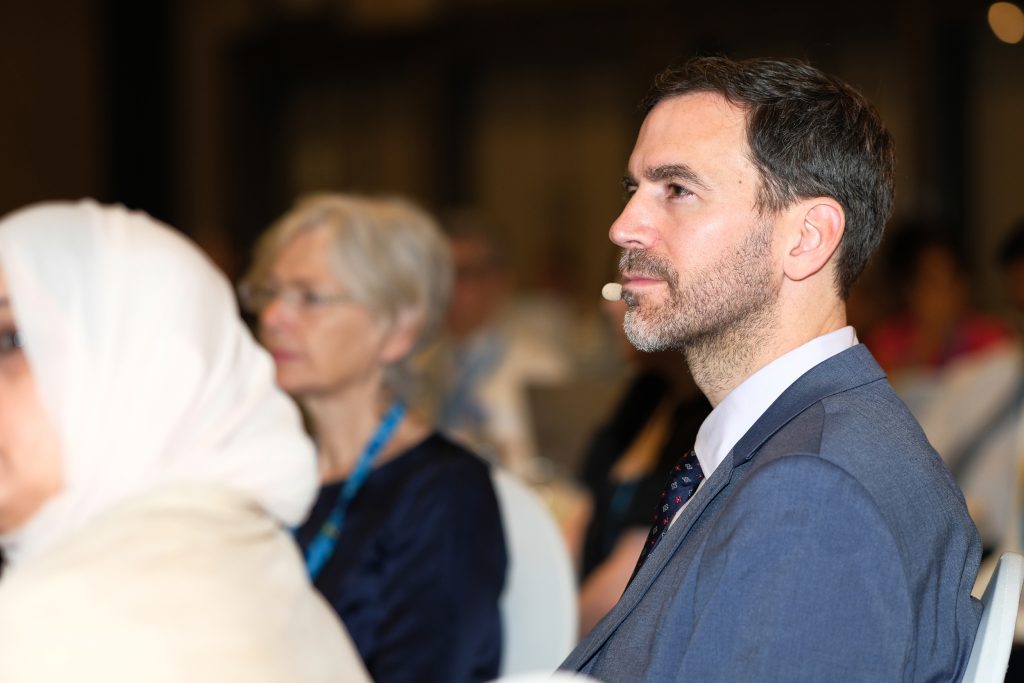
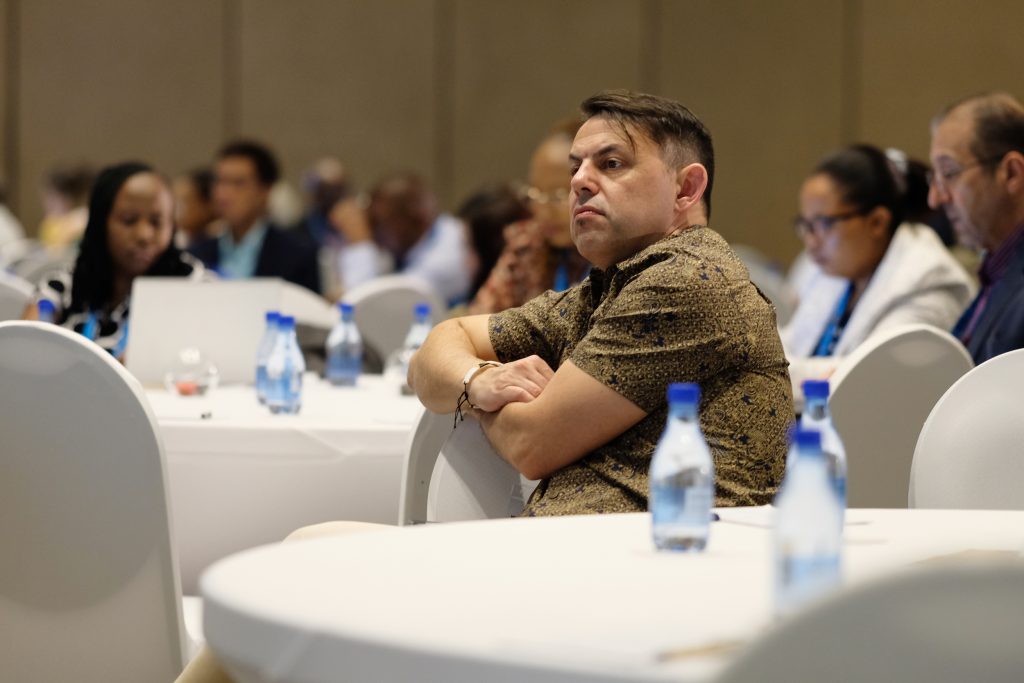
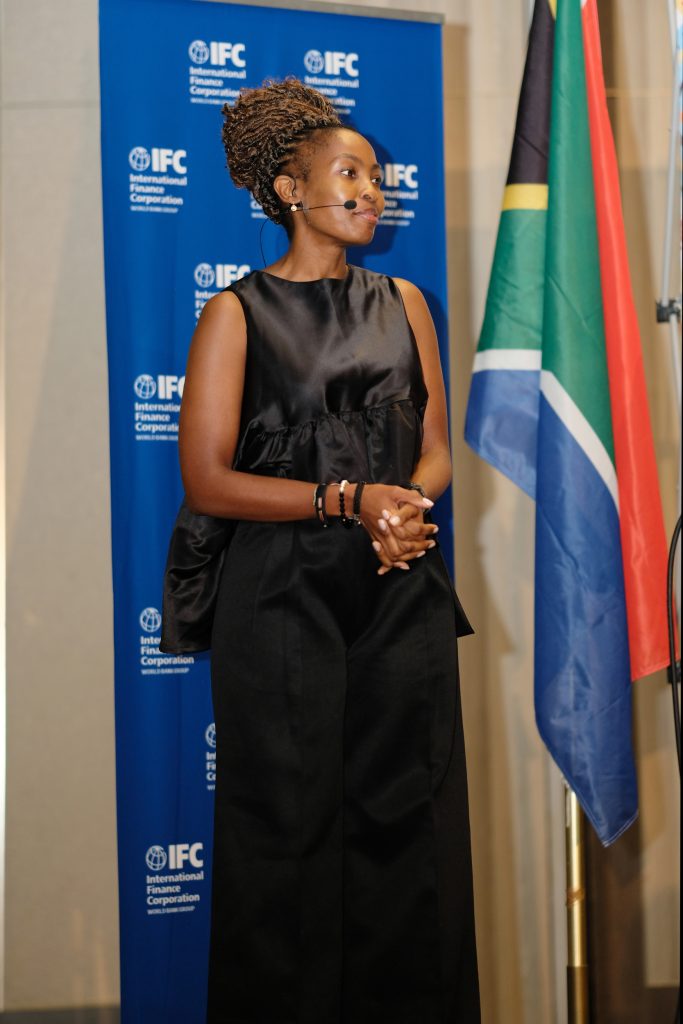
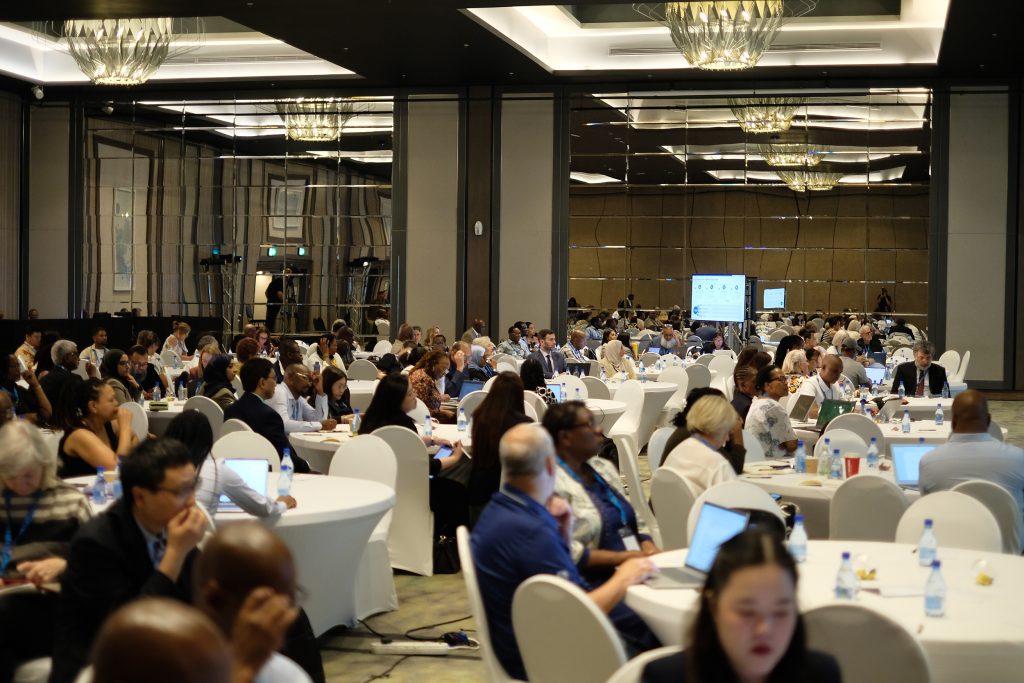
The Forum was an opportunity to exchange ideas with global peers, strengthen networks, and demonstrate how targeted partnerships deliver tangible impact. Dr. Zukiswa Mthimunye and Marlie Spencer from IFC delivered a sponsor keynote address, sharing the World Bank Group and IFC’s vision and activities to support education and skills development globally.
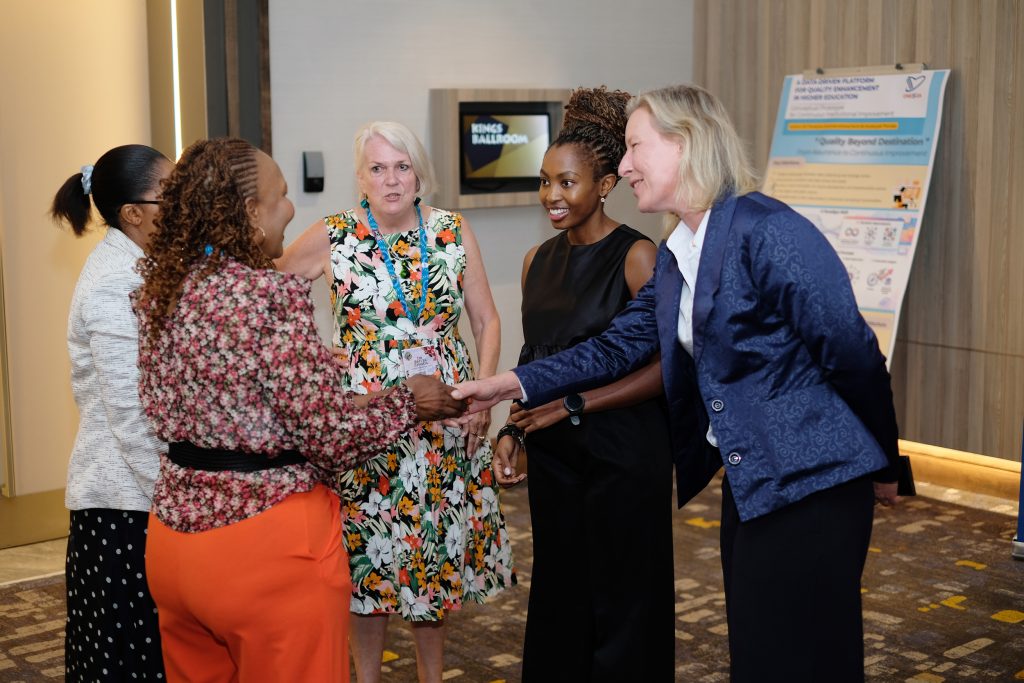
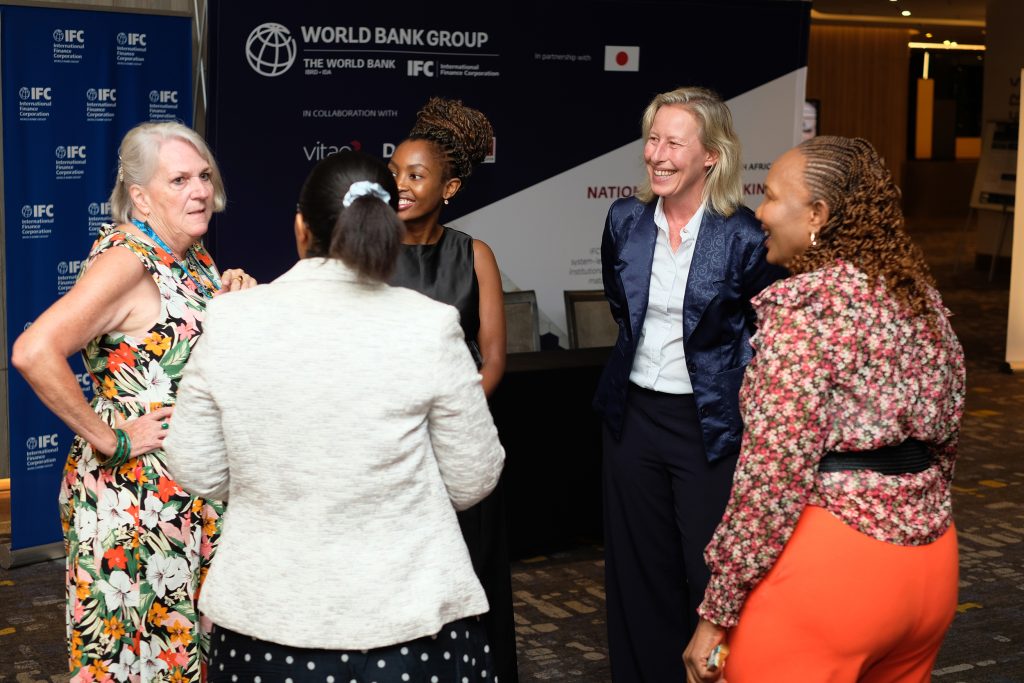
During the Forum, IFC also engaged with Dr. Whitfield Green (CEO) and Dr. Britta Zawada from the Council on Higher Education (CHE) South Africa as well as delegates from the Council on Higher Education Lesotho and the National Council for Quality Evaluation of Higher Education Mozambique – amongst others. These discussions reinforced the importance of regional cooperation in higher education quality assurance and the shared commitment to advancing employability and digital maturity benchmarks across the sector.
Global Partnerships Driving Local Impact
The Skills in South Africa program is a clear example of how collaborative approaches — combining local expertise with global funding — can address systemic challenges in education. By aligning curricula with market realities and emphasizing digital readiness, the program is helping bridge the gap between education and employment.
Our partnership with CHE and support from the Government of Japan ensures that the work is rooted in both national priorities and international standards, making it a sustainable model for long-term impact.
Looking Ahead
The conversations and connections made at INQAAHE reaffirm the importance of global dialogue in advancing education quality. As the Skills in South Africa program moves forward, the national benchmark for employability and digital maturity will offer clear metrics to track progress and guide improvements.
Our ultimate aim? Graduates who not only succeed academically, but who step confidently into the workforce — contributing to South Africa’s economy and thriving in a digital-first world.
We’d like to thank INQAAHE, CHE, the Government of Japan, and all partners working alongside IFC to ensure that quality education leads to real opportunity.
CHECK THE PRACTICES OF YOUR INSTITUTION WITH OUR BENCHMARKING AT https://www.vitaeready.org/benchmarking/
